
Orthopaedic Treatment
in Dumdum
Trusted Care for Bone & Joint Health
Home > Specialities > Orthopaedic

What is Orthopaedics ?
Orthopaedics is the branch of medicine that focuses on bones, joints, muscles, ligaments, and movement-related problems. It helps diagnose, treat, and manage conditions like fractures, arthritis, back pain, sports injuries, and joint disorders. With the right orthopaedic care, patients can reduce pain, improve mobility, and return to daily life with confidence.
Do not let bone, joint, or muscle pain slow down your everyday life. Visit Phoenix Medical Center for trusted care and take the first step toward better movement.
Specialists Who Help You Move Better
Meet our orthopaedic experts at Phoenix Medical Center, dedicated to treating bone, joint, muscle, and movement-related concerns with patient-focused care.

Dr. Humayun Ali Shah
Qualifications: MS, MCH Ortho
Specialty: Orthopaedic
Availability: Wed

Dr. Kingshuk Mandal
Qualifications: MS
Specialty: Orthopaedic
Availability: Wed

Dr. Sugata Biswas
Qualifications: MS
Specialty: Orthopaedic
Availability: By Appointment

Dr. Prabir Kumar Bala
Qualifications: MS
Specialty: Orthopaedic
Availability: Tues, Sat

Dr. Anirban Paul
Qualifications: MS
Specialty: Orthopaedic
Availability: Mon to Fri

Dr. Debashis Maji
Qualifications: MS
Specialty: Orthopaedic
Availability: Tues, Fri (By App)

Dr. Rishabh Kedia
Qualifications: MS
Specialty: Orthopaedic
Availability: Mon

Dr. Soumyodip Dutta
Qualifications: MS
Specialty: Orthopaedic
Availability: By Appointment
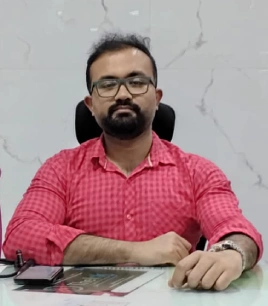
Pinaki Roy
Qualifications: MBBS, MS ORTHO NRS
Specialty: Orthopaedic
Availability: By Appointment

DR. SAMAR DAS
Qualifications: MS
Specialty: Orthopaedic
Availability: By Appointment
DR. DAIPAYAN CHATTERJEE
Qualifications: MS
Specialty: Orthopaedic
Availability: Tues
DR. AVIJIT BASAK
Qualifications: MS
Specialty: Orthopaedic
Availability: By Appointment
DR. ABDUL NAIM OSTAGAR
Qualifications: MS
Specialty: Orthopaedic
Availability: Sat Day
DR. SUNETRA ROY
Qualifications: MS (Gold Medalist)
Specialty: Orthopaedic
Availability: Mon, Wed, Sat
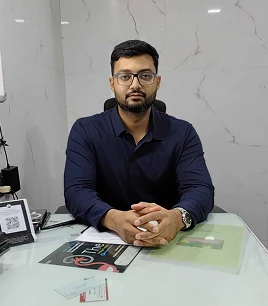
DR. MANDAR DEB
Qualifications: MS
Specialty: Orthopaedic
Availability: By Appointment
DR. RAHUL MONDAL
Qualifications: MS
Specialty: Orthopaedic
Availability: Mon, Tues
DR. SOUMYADIP DUTTA
Qualifications: MBBS, MS
Specialty: Orthopaedic
Availability: By Appointment
Complete Bone & Joint Care Under One Roof
Our orthopaedic services focus on pain relief, better movement, injury recovery, and long-term bone and joint health.
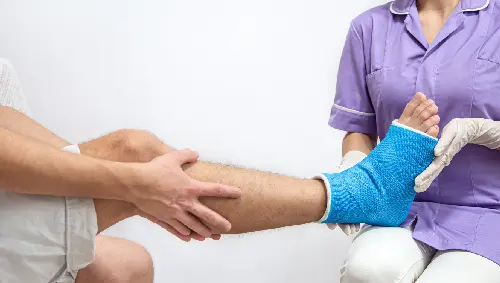
Fracture Care
Diagnosis and treatment support for simple and complex bone fractures with a focus on safe healing.
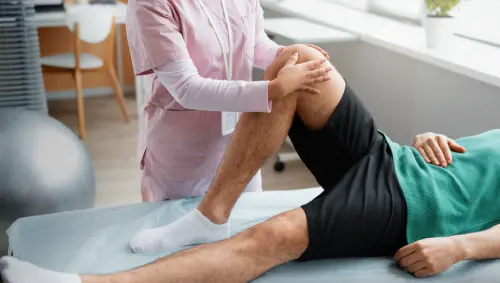
Joint Pain Treatment
Care for knee, shoulder, hip, elbow, and other joint pain caused by injury, arthritis, or daily wear and tear.
Arthritis Management
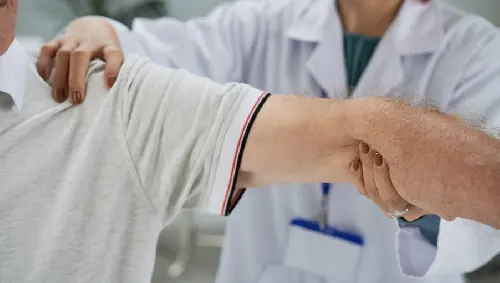
Treatment guidance to reduce stiffness, swelling, and pain caused by osteoarthritis, rheumatoid arthritis, and other joint conditions.

Sports Injury Care
Support for sprains, ligament injuries, muscle strains, and movement-related injuries in active individuals.

Back & Neck Pain Treatment
Evaluation and care for spine-related pain, posture problems, nerve compression, and movement discomfort.

Ligament & Tendon Injury Care
Treatment for ligament tears, tendon pain, and soft tissue injuries affecting mobility and strength.

Shoulder & Knee Care
Focused care for common shoulder and knee problems, including pain, stiffness, swelling, and restricted movement.

Paediatric Orthopaedic Care
Bone, joint, and movement-related care for children with injuries, deformities, or growth-related concerns.

Geriatric Orthopaedic Care
Specialised support for elderly patients dealing with weak bones, joint pain, falls, and mobility issues.
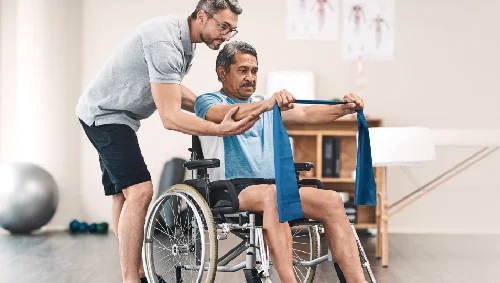
Post-Injury Rehabilitation Support
Recovery guidance to help patients regain strength, flexibility, balance, and confidence after injury or treatment.
Care That Keeps You Moving Forward
Experienced orthopaedic doctors for bone, joint, and muscle concerns
Diagnosis-based treatment for fractures, arthritis, back pain, and sports injuries
Patient-friendly care focused on pain relief and better mobility
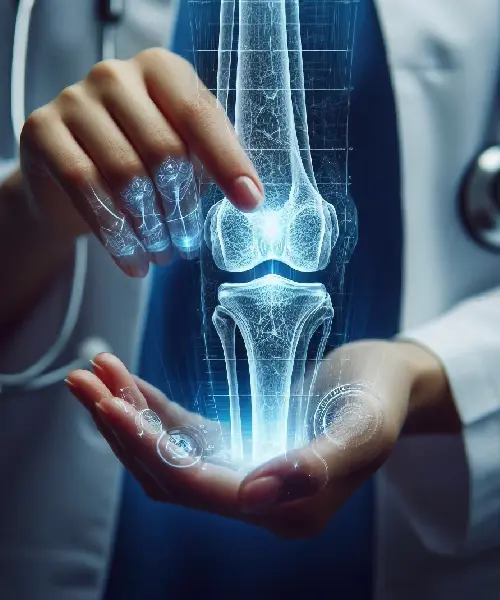
Advanced support for injury recovery, joint problems, and movement disorders
Clear guidance at every step, from consultation to recovery
Personalised treatment plans for children, adults, and elderly patients
Clear Diagnosis for Better Bone & Joint Care
Orthopaedic diagnostic tests help identify the exact cause of bone, joint, muscle, ligament, or spine-related pain before planning treatment.

X-Ray

MRI Scan

CT Scan

Bone Density Test

Ultrasound

Blood Tests

Joint Fluid Analysis

Nerve Conduction Study

Arthroscopy

Gait Analysis
From Chronic Pain to Better Movement
Our orthopaedic care journey is designed to make diagnosis, treatment, and recovery simple, clear, and patient-friendly.
Initial Consultation
The journey begins with understanding your pain, injury, symptoms, medical history, and movement difficulties.
Physical Examination
The orthopaedic specialist checks joint movement, posture, swelling, strength, and pain points.
Diagnostic Testing
Required tests like X-ray, MRI, CT scan, or blood tests may be advised to find the exact cause.
Personalised Treatment Plan
A care plan is created based on your condition, lifestyle, age, pain level, and mobility needs.
Treatment & Procedure Support
Treatment may include medicines, physiotherapy, injections, fracture care, or surgical guidance when needed.
Recovery & Rehabilitation
Rehabilitation support helps improve strength, flexibility, balance, and confidence after treatment.
Follow-Up Care
Regular follow-ups help track healing, manage pain, and support long-term bone and joint health.
Care Backed by Modern Facilities
We bring together modern facilities and patient-focused design to
make healthcare feel simpler, safer, and more comfortable.
Stories of Care, Trust & Recovery
Real experiences from patients who found support, healing, and confidence through our dedicated care.
KR

"My father was admitted here for stomach infection, quality of treatment and staff behaviour is excellent."
Gorelal Rathore
"The treatment by the nurses was very good after I was admitted to the hospital. Thank you very much "
Subhash Mondal
"All staff behaviour is very good,3rd floor staffs are so nice"
Anita Das
"All staff was very good and sister and brother are very best communication all pesent"
Care You Understand, Safety You Trust
We focus on honest guidance, careful diagnosis, and treatment decisions that help patients feel informed at every step.
Clear explanation of diagnosis, reports, and treatment options
Treatment plans based on the patient’s age, pain level, and mobility needs
Surgery is suggested only when medically necessary
Transparent discussion about recovery time, precautions, and follow-up care
Patient-friendly guidance before, during, and after treatment
Focus on safe healing, pain control, and long-term movement support
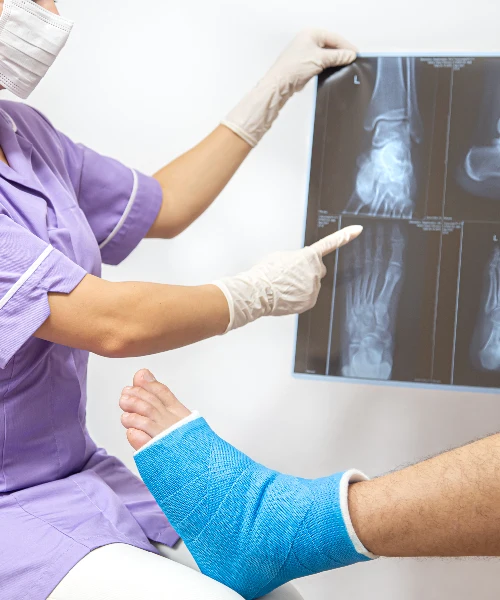
Book Your Visit in Minutes
Easily schedule appointments with our specialists online without any hassle.
Quick Answers for a Smoother Visit
From appointment doubts to care-related concerns, this section helps you understand the essentials before you take the next step.
When should you see an orthopaedic doctor?
You should see an orthopaedic doctor if you have joint pain, swelling, stiffness, back pain, neck pain, difficulty walking, injury-related pain, or pain that keeps coming back. Early consultation helps prevent the condition from getting worse.
What causes joint pain?
Joint pain may be caused by arthritis, injury, overuse, infection, inflammation, ligament strain, cartilage damage, or age-related wear and tear. A proper diagnosis helps identify the exact cause.
Is knee pain always a sign of arthritis?
No, knee pain is not always due to arthritis. It may also happen because of ligament injuries, meniscus tears, muscle strain, overuse, swelling, fracture, or posture-related stress.
When is an X-ray needed for orthopaedic pain?
An X-ray may be needed when there is a suspected fracture, joint damage, arthritis, a bone alignment problem, or injury-related pain. It helps doctors check the condition of bones and joints clearly.
When does a fracture need surgical treatment?
A fracture may need surgery if the bone is badly displaced, unstable, open, complex, or not healing properly. Surgery may also be advised when proper alignment is needed for better movement.