
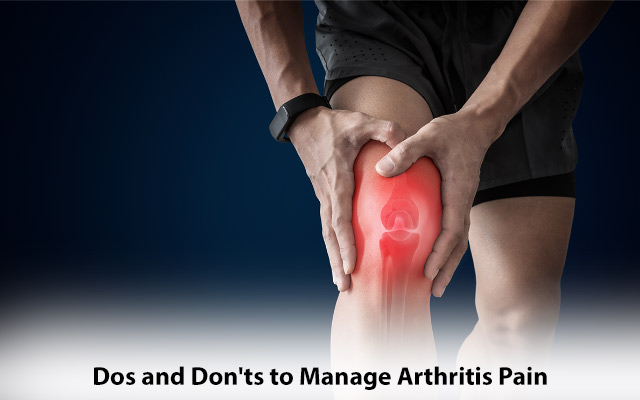
Arthritis is one of the most common joint disorders worldwide, affecting millions with persistent pain, stiffness, and reduced mobility. It doesn’t just knock on your door with age. It can occur silently and settle into your joints before you even realise what is happening.
One day, it is mild stiffness in your knees or fingers; the next day, it is daily discomfort hampering your speed, your plans, and your peace of mind.
While medication helps manage, daily habits effectively impact symptom control and joint health. This dos and don’ts list will help you know what to do, what to avoid and when to seek orthopedic treatment in Dumdum to control arthritis pain and feel better.
DO: Stay Physically Active
Regular, low-impact exercise can maintain joint flexibility and improve strength in supporting muscles. Gentle movements such as walking, swimming, cycling and yoga help maintain joint flexibility, reduce stiffness, and strengthen the muscles supporting your joints. Movement also promotes circulation, keeps joints lubricated and functional, helping ease discomfort. Just 30 minutes of movement a day can improve mobility and mood alike.
Pro tip: Start slow. Even five minutes of movement is a win if you have not been active in a while. Build up the habit gradually and always listen to your body.
DON’T: Push Through Pain or Overdo It
There is a fine line between movement and misuse. Pushing your joints too hard can worsen inflammation. Avoid repetitive high-impact activities like jumping, running on hard surfaces, or heavy lifting that can strain your joints.
If your pain spikes after an activity and remains for hours, it is a sign you overdid it. Rest when needed and alternate high-activity days with gentle recovery.
DO: Apply Heat and Cold Wisely
Simple old-school home therapies can provide massive relief. Heat therapy, such as warm towels, heating pads, or warm baths, relaxes tense muscles and increases blood flow to stiff joints, especially in the morning. Cold therapy, like an ice pack, can reduce inflammation, reduce swelling after activity and numb deep pain.
Pro tip: Use each for 15–20 minutes, and never directly on the skin—always use a protective layer.
DON’T: Depend Solely on Painkillers
While pain relievers can provide temporary comfort, overdependence can mask symptoms rather than address them. Long-term use, especially without supervision, can also cause unwanted side effects.
Instead, focus on long-term approaches like lifestyle changes and therapeutic interventions, such as physiotherapy, anti-inflammatory diets, supplements like omega-3s (if recommended), and joint-friendly habits.
DO: Maintain a Healthy Weight
Excess body weight puts additional strain on load-bearing joints like knees, hips, and spine. Even a slight reduction, just 5–10% of your body weight, can significantly decrease joint stress and pain levels.
Balanced nutrition, regular movement, and mindful eating can go a long way in supporting your joints and overall health.
DON’T: Neglect Emotional Well-being
Living with chronic pain often takes a mental toll. It can impact your mood, relationships, and daily confidence, making you feel anxious, frustrated and depressed.
Build a support system, engage in support groups and therapy, talk openly with your doctor about your mental well-being, and consider mindfulness techniques like meditation, journaling, or gentle breathing exercises. It can help improve both emotional resilience and pain perception. A healthier mind leads to a stronger body.
Conclusion
If joint pain interferes with your daily life, it may be time to consult a specialist. With the right strategies and expert support, long-term relief is within reach. At Phoenix Medical Centre, we provide personalised orthopedic treatment in Dumdum thoroughly planned to your unique condition and lifestyle. Our multidisciplinary approach combines medical management with physical rehabilitation and lifestyle advice, ensuring you receive complete care under one roof.
To know more, book an appointment today.