
Facing surgery can stir up worry and questions: “What happens next?” “How long will I be in the hospital?” “Will recovery be quick or long?”
At Phoenix Medical Centre in Dumdum, we believe clarity builds confidence.
Let’s walk through how to prepare for surgery—from early steps to recovery—with simple language, real-life examples, and helpful pointers.
Before Surgery: Getting Ready

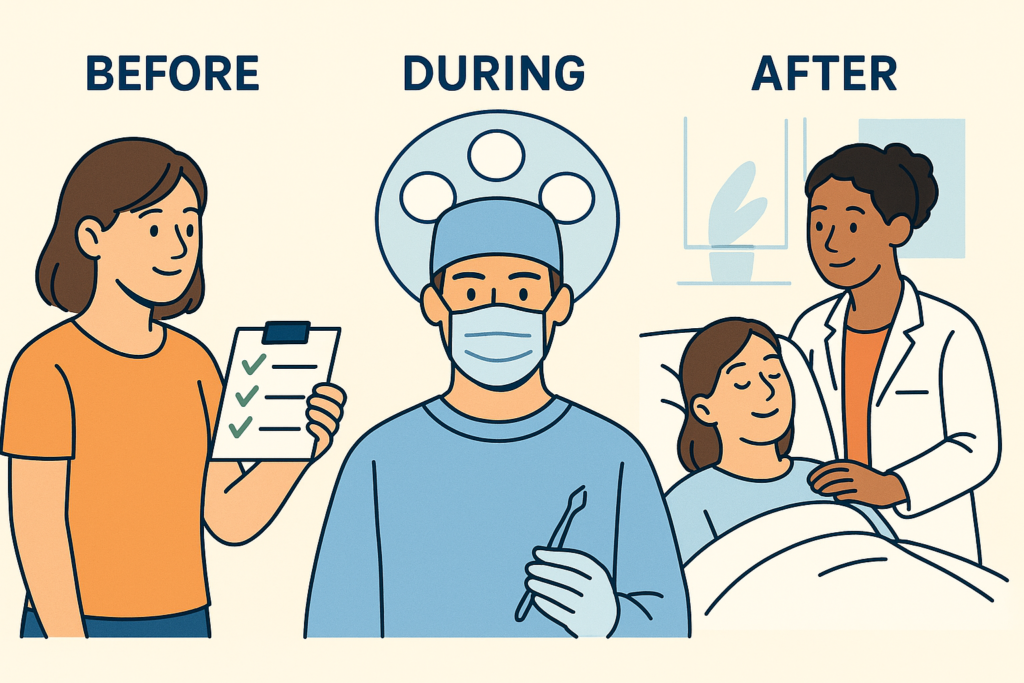
To answer how to prepare for surgery, here are the key steps:
- Get pre-operative tests (blood work, ECG, imaging) to check you’re fit.
- Follow a surgery preparation checklist: stop eating or drinking as instructed (often after midnight).
- Please share your complete list of medications, including any supplements. Some drugs (blood thinners, NSAIDs) may need to be stopped ahead of time.
- Improve your health ahead: eat well, be physically active if you can, and quit smoking. For example, walking 30 minutes daily before makes a difference in recovery.
Mentally prepare: it’s normal to feel anxious. Discuss the “what happens during surgery” part with your doctor so you know what to expect.
During Surgery: What Happens in the Operating Room
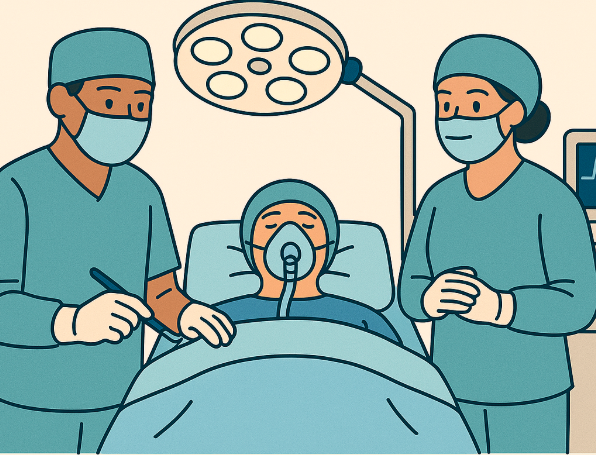
Whether it’s a minor day-case or a major procedure, here’s what you typically go through:
- You’ll arrive at the hospital, be checked in, change into a gown and meet the surgical team.
- An anaesthetist (specialist in putting you to sleep or numbing you) will explain how you’ll be kept safe.
- The team uses protocols and safety checks (such as confirming your identity and the site to be operated).
- After the operation, you are moved to the recovery room where nurses monitor your heart rate, pain level, and how awake you are.
After Surgery: Recovery and Follow-Up

Recovery depends on the scale of the operation—this explains minor vs major surgery recovery:
| Type of Surgery | Typical Hospital Stay | What to Expect |
| Minor (e.g., day-case) | Same day or 1 night | Quick return home, mild discomfort, light activity |
| Major (e.g., organ removal, complex reconstruction) | Several days to a week or more | Deeper pain, longer rest, careful wound care, gradual activity |
Key post-surgery care tips include following wound care instructions, managing pain with prescribed medications, resuming gentle activity early (such as walking, which helps improve circulation), drinking plenty of water, and eating nutritious foods. Also ask: “What is my surgery recovery time?” The answer depends on your procedure, your health and your follow-through with care.
Risks, Complications & Staying Safe
Even the best surgeries carry risks and possible complications. Your team will explain the risks and complications of surgery: bleeding, infection, reactions to anaesthesia, and delayed healing. Knowing ahead gives you power. If you notice a fever, unexpected pain, or swelling, call your doctor right away.
In Kolkata, Care Is Personal — and Every Surgery Deserves It
When it comes to surgery or medical consult, the right place — and the right people — make all the difference.
At Phoenix Medical Centre in Dum Dum, every patient is treated like family. From small procedures to major operations, we walk beside you — explaining, comforting, and caring — every step of the way.
Behind every surgery is a story, a family waiting, and a life ready to heal. If you’ve been advised a surgery or just want a second opinion, don’t wait.
In the City of Joy, healing begins with trust — and we’re here when you need us most.
📞 Call Phoenix Medical Centre today
People Also Ask
How many hours before surgery should I stop eating or drinking?
Usually, no solid food is allowed after midnight before your surgery, and clear liquids are permitted up to about 2-3 hours before arrival.
Will I feel pain after surgery and how long?
Yes, you’ll have some pain—your team will control it. For minor surgery, it may last a few days; for major surgery, several weeks.
Can I slow down my recovery by eating poorly or being inactive?
Yes. Better nutrition and gentle movement before and after surgery improve outcomes. Pre-surgery fitness matters.
When can I go home after surgery?
Depends on the procedure. Some patients are discharged home the same day (for minor procedures), while others stay for a few days (for major procedures). Your surgeon will advise.
What should I bring to the hospital on the day of my surgery?
Bring a photo ID, a list of medications/allergies, loose-fitting clothing, any assistive devices (such as glasses or hearing aids), and a friend or family member to assist you.