
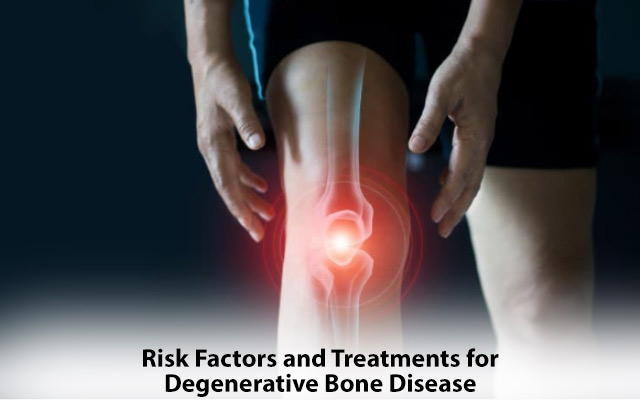
Imagine waking up one day and finding it harder to stand, move or even grip a cup of coffee. These slow, steady changes are often signs of degenerative bone disease, a condition that sneaks up on many as they age.
While it might sound intimidating, understanding its risk factors and exploring treatment options can make all the difference.
What Is Degenerative Bone Disease?
Degenerative bone disease, also known as osteoarthritis, involves the gradual breakdown of cartilage in joints.
As the cushion between bones wears away, movement becomes painful and stiff. Though it’s common in older adults, this condition can affect anyone.
What are the Risk Factors?
Several factors raise the risk of developing degenerative bone disease. Some you can’t change, but others, you can manage, such as
Age
The risk increases as you grow older. Years of joint use eventually lead to wear and tear.
Genetics
If your parents or grandparents struggled with joint issues, you might be more likely to face the same.
Obesity
Excess weight puts pressure on your joints especially the knees and hips, speeding up cartilage breakdown.
Injuries
Past joint injuries from sports or accidents can leave lasting damage and raise your chances of future problems.
Overuse of Joints
People in physically demanding jobs or sports may wear down joints faster due to repetitive stress.
Other Diseases
Conditions like diabetes, rheumatoid arthritis, and metabolic disorders can increase the risk.
Signs You Shouldn’t Ignore
Early symptoms can be easy to brush off. But if you notice any of the following, it’s best to talk to a doctor
- Stiffness after resting
- Pain during or after movement
- Swelling around joints
- A grinding feeling in the joints
Don’t wait for the pain to get worse. Getting help early often means better results.
Treatment Options
There’s no one-size-fits-all treatment, but options range from simple lifestyle changes to medical interventions. Some of these are
Exercise
Low-impact activities like walking, swimming, or yoga can improve flexibility and reduce stiffness. Staying active helps maintain joint health.
Diet
Foods rich in calcium and vitamin D can support bone strength. Reducing processed foods also helps fight inflammation.
Physical Therapy
A trained therapist can guide you through exercises to improve movement and reduce pain.
Injections
Corticosteroid or hyaluronic acid injections may help reduce inflammation and lubricate joints.
Surgery
In severe cases, procedures like joint replacement can restore mobility and quality of life.
Conclusion
Degenerative bone disease is more common than many realize, but it’s not something you have to live with silently. Whether it’s caused by age, lifestyle, or past injuries, the key is early action.
If you are looking for a reliable orthopedic clinic in Dumdum, then Phoenix Medical Centre can help you get a proper diagnosis and start the right treatment plan.
We focus on helping you move better and feel stronger. Our experienced team offers personalized care and advanced treatments in a supportive environment.
Book your consultation today and take the first step towards stronger, healthier bones.