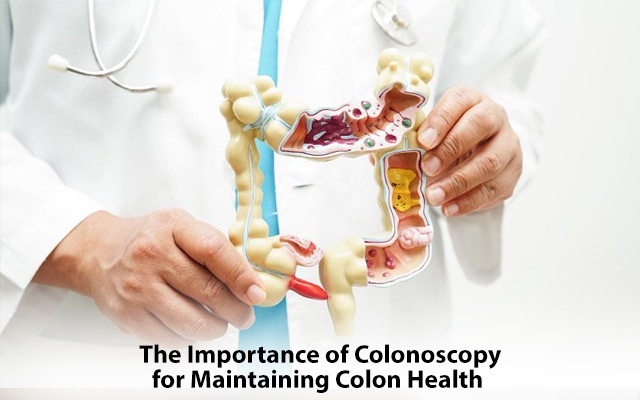
A colonoscopy is an important medical test that examines the colon and rectum to check for any abnormalities. During the procedure, a long, flexible tube called a colonoscope is inserted into the rectum, allowing the doctor to view the inside of the colon on a screen. This test is used to detect inflamed tissue, ulcers, polyps, and early signs of cancer, providing a clear picture of colon health.
Importance of Colonoscopy
One of the most crucial benefits of a colonoscopy is its ability to detect colon issues at an early stage. The earlier any potential problem is found, the better the chance for successful treatment and prevention. Catching signs of conditions like cancer or polyps in their early stages can significantly reduce the chances of developing more serious health issues later on.
Detecting Polyps Early
Polyps are small clumps of cells that develop on the lining of the colon. While most polyps are harmless, some can become cancerous if left untreated over time. This is why regular colonoscopies are so important—they allow doctors to detect polyps in their early stages and remove them during the procedure itself, preventing them from turning into more severe conditions, like colorectal cancer. Detecting and removing polyps before they have a chance to grow can save lives.
Diagnosing Digestive Issues
Colonoscopy is also crucial for diagnosing a range of digestive issues. Whether you are experiencing unexplained stomach pain, changes in bowel habits or persistent bloating, this test can help identify underlying conditions such as Crohn’s disease, ulcerative colitis or even infections. Early diagnosis of digestive issues can lead to more effective treatments, better symptom management, and improved quality of life.
Monitoring Existing Conditions
If you have been diagnosed with conditions like Inflammatory bowel disease (IBD), diverticulosis or colorectal cancer, a colonoscopy plays a vital role in monitoring the progress of your condition. It helps doctors assess the effectiveness of treatments, check for any new developments, and ensure that existing conditions aren’t worsening. Regular check-ups through colonoscopy can help keep these conditions under control and reduce the risk of complications.
Conclusion
A colonoscopy is more than just a diagnostic tool—it’s a powerful way to protect your colon health. By detecting early signs of disease, such as polyps or cancer, it can save lives. Additionally, it helps diagnose digestive issues and monitor existing conditions, ensuring that any problems are caught early and managed effectively.
If you have a family history of colon issues, it’s a good idea to visit a gastroenterology treatment in Dumdum to consult a gastroenterologist. Taking this proactive step can significantly improve your long-term health and well-being.