
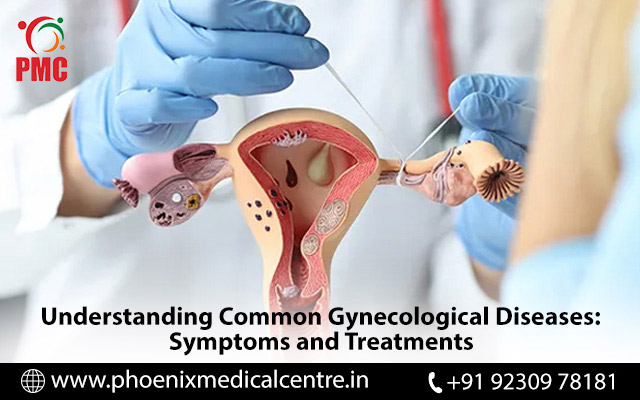
Your gynaecological health is essential for your overall well-being. With so much misinformation, it is vital to have comprehensive knowledge and to avail yourself of the proper treatment. The professional doctors at Phoenix Medical Centre, a leading healthcare brand, share insight about some common gynaecology diseases-
Common gynaecological diseases
Pelvic inflammatory diseases
Pelvic Inflammatory Disease (PID) is an infection affecting the female reproductive organs such as the uterus, fallopian tubes, and ovaries. It is typically caused by bacteria, often transmitted through sexual activity. PID can lead to inflammation and scarring, chronic pelvic pain and infertility. Timely diagnosis and treatment with antibiotics are crucial to prevent these severe consequences.
Endometriosis
This is a painful gynaecology disease in which tissue lining the inner walls of the uterus grows in other places within your abdominal and pelvic area. You can develop endometriosis in regions like the rectum, diaphragm, fallopian tubes and ovaries. This creates pelvic pain, fertility issues and menstrual problems. Doctors prescribe various medications and hormone therapies depending on your condition.
Polycystic Ovary Syndrome
PCOS is a hormonal dysfunction that affects how ovaries work. Common symptoms include irregular menstruation, excessive hair growth, acne, and weight gain. Diagnosis involves blood tests to check hormone levels and an ultrasound to examine the ovaries. Treatment for PCOS focuses on managing symptoms that might include birth control pills to regulate periods, medications to improve insulin sensitivity, and lifestyle changes like diet and exercise.
Fibroids
Fibroids are non-cancerous tissue that grows in or around the uterus. They can cause heavy menstrual bleeding, pelvic pressure or pain, and frequent urination. Diagnosis is often through ultrasound or MRI. Treatment depends on the size, location, and symptoms of the fibroids. It may range from medications to surgery, such as myomectomy or hysterectomy.
General Advice for Gynecological Health
Routine gynaecological check-ups are crucial for promptly detecting and treating these conditions. Listening to your body and taking appropriate steps tailored to your needs is essential. Maintaining a healthy lifestyle with balanced nutrition, regular exercise, and safe sexual practices can also help prevent some gynaecology diseases.
Conclusion
Understanding common gynaecology diseases empowers women to take charge of their health. By recognizing symptoms early and seeking timely medical advice, you can effectively manage these conditions and maintain your well-being. Remember, your medical practitioner is your partner in health, so don’t hesitate to discuss any concerns you may have about your gynaecological health. By teaching the right approach, you can lead a healthy life.