
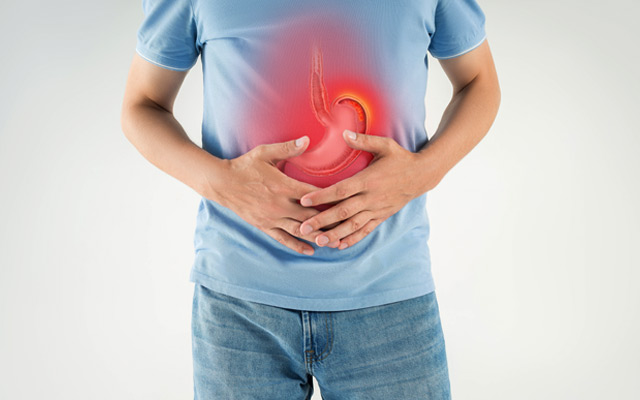
It’s happened to almost everyone. You enjoy a delicious meal from your favourite street stall or step out for a quick roll, biryani, phuchka, only to wake up later feeling completely unwell—stomach cramps, nausea, diarrhoea, vomiting or worse. That sudden, intense illness is often a sign of gastroenteritis, a stomach infection.
Understanding why this happens is the first step in protecting yourself and your family. If you need prompt care in Dumdum, Phoenix Medical Centre is your go-to medical centre near you for quick diagnosis and effective treatment.
What is a Stomach Infection?
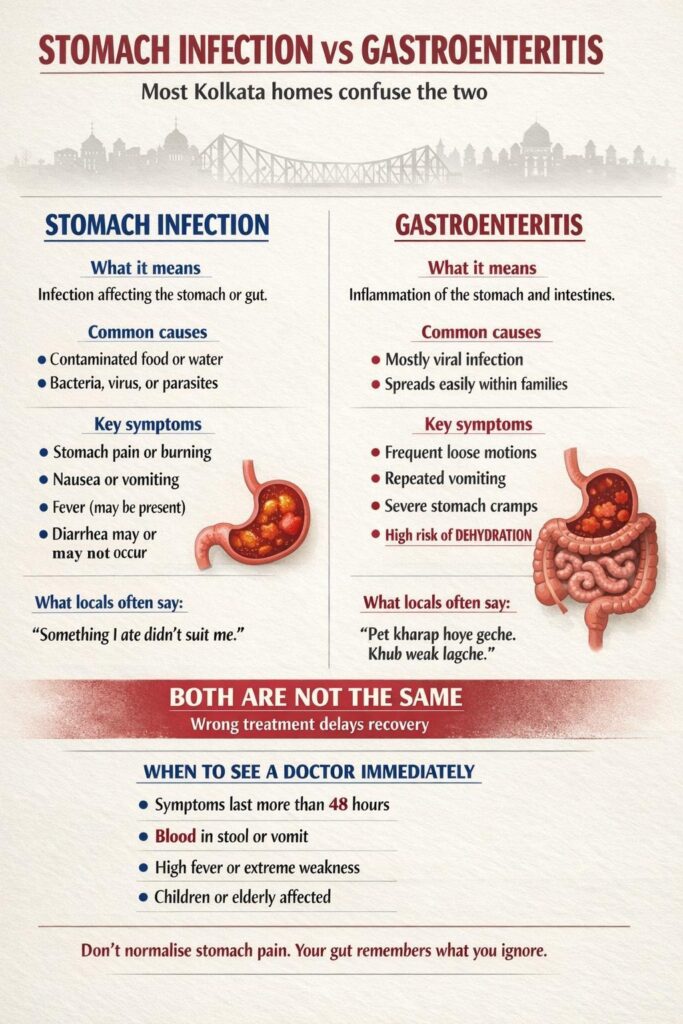
A regular stomach infection usually causes mild irritation from contaminated food and gives you loose motion, cramps, or discomfort. These infections are spread through contaminated food or water, or close contact with an infected person.
Gastroenteritis happens only when the infection becomes much stronger and leads to significant inflammation of both the stomach and intestines, causing repeated vomiting, severe cramps, and dehydration.
Symptom Breakdown: Knowing What to Watch For
The severity of symptoms can vary widely, but here are the common signs of a gastric infection:
- Nausea and vomiting
- Diarrhoea (loose or watery stools)
- Stomach pain or abdominal cramps
- Mild fever, headache, and body aches
- Fatigue
If you experience these symptoms of gastric infection after restaurant meals, monitor them closely, especially if they persist or worsen.
Causes Explained Simply: Why Does Eating Outside Trigger Sickness?
The link between food poisoning after eating outside and the spike in infections often comes down to food-handling and hygiene practices common in high-volume public kitchens.
The Hygiene Factor
This is the most frequent cause, especially in a bustling area like Dumdum, where high foot traffic and outdoor eateries are common:
- Contaminated Water: Using non-potable water to wash produce, clean utensils, or even prepare ice can easily introduce pathogens into the food chain.
- Improper Handwashing: Bacteria or viruses can be transferred by food handlers not wash their hands properly before touching cooked food.
- Dirty Surfaces: Microorganisms multiply quickly on cutting boards and preparation surfaces that aren’t regularly sterilised.
Temperature Control & Cross-Contamination
In Kolkata’s variable climate, managing food temperature is critical to safety:
- The ‘Danger Zone’: Bacteria multiply rapidly when food is kept between 4°C and 60°F. Food left out for too long, common in large catering or buffet settings, becomes unsafe.
- Cross-Contamination: Raw food (such as uncooked meat) coming into contact with cooked food or vegetables can rapidly spread bacteria.
Diagnosis Process at Phoenix Medical Centre
If your symptoms are severe or persistent, a quick and accurate diagnosis is essential. When you visit our medical centre in Dumdum, a gastroenterology specialist will typically:
| Step | What Happens |
| Review History | Ask about your recent diet and specific symptoms. |
| Physical Exam | Check for signs of dehydration or abdominal tenderness. |
| Lab Tests (If needed) | A stool sample may be collected to identify the exact cause (virus, bacteria, or parasite), ensuring the correct treatment is prescribed. |
Treatment Options: Getting You Back on Track
Most mild stomach infections resolve with rest and fluids. However, severe cases require medical intervention to prevent dehydration and complications.
- Fluid Replacement: The most critical step. Oral Rehydration Solutions (ORS) are used to replace fluids and electrolytes lost through diarrhoea.
- Medication: Depending on the cause, a doctor may prescribe antibiotics (only for bacterial infections) or other medications to manage vomiting or diarrhoea.
Specialised Care:
At Phoenix Medical Centre, we offer comprehensive gastroenterology services. In our gastroenterology treatment in Dum Dum, acute or chronic gallbladder issues, often related to infection or inflammation.
These conditions are treated with advanced care, such as Laparoscopic Cholecystectomy, where infection prevention is a core focus before and after the procedure.
When to Contact a Doctor
While many cases are mild, immediate attention from a medical centre in Dumdum, like Phoenix Medical Centre (near you), is required if you notice:
- Signs of severe dehydration (excessive thirst, dry mouth, little to no urination).
- High fever over 101°F (38.3°C)
- Bloody or black stools.
- Inability to keep liquids down for more than 24 hours.
- Severe, persistent abdominal pain.