
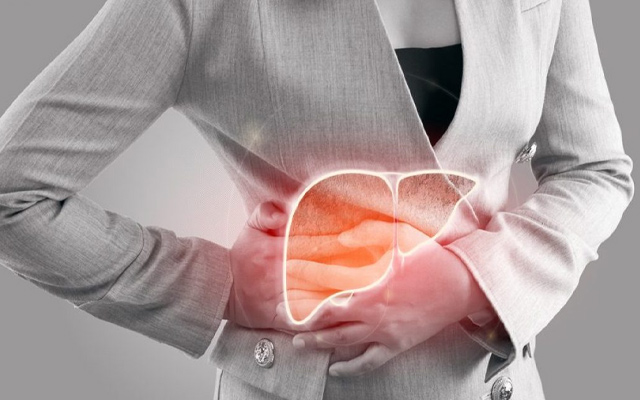
A study by the Indian Council of Medical Research (ICMR) found that 84% of young professionals in the IT sector between the ages of 25 and 45 have fatty liver disease. Not some of them. Not the unhealthy-looking ones. 84%. [Source]
Nearly 40% of Indian adults are estimated to have Metabolic Dysfunction-Associated Steatotic Liver Disease (MASLD) — previously known as Non-Alcoholic Fatty Liver Disease (NAFLD) — making it one of the fastest-growing silent health concerns in the country. [Source]
That's the epidemic. Not the disease itself — but how quietly it's spreading while an entire generation of young professionals remains completely unaware.
A gastroenterology doctor at Phoenix Medical Centre in Dumdum will tell you this is one of the most important conversations in medicine right now.
This blog intends to have it with you — in plain language, no jargon, no panic — just the facts you need.
What Exactly Is Fatty Liver Disease?
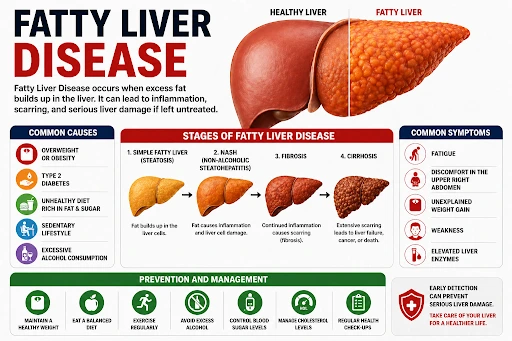
Fatty liver disease happens when excess fat builds up in the liver, usually more than 5–10% of the liver’s weight. It is often a silent condition in the early stages but can gradually progress to inflammation, liver scarring (fibrosis), and even cirrhosis if left unmanaged.
Types of Fatty Liver Disease
- Non-Alcoholic Fatty Liver Disease (NAFLD/MASLD)
Develops without heavy alcohol consumption and is commonly linked to obesity, insulin resistance, type 2 diabetes, high cholesterol, and metabolic syndrome.
- Simple Fatty Liver (NAFL)
Fat builds up in the liver with little or no inflammation or permanent damage.
- Non-Alcoholic Steatohepatitis (NASH/MASH)
Fat accumulation is associated with inflammation and liver cell injury, increasing the risk of fibrosis and cirrhosis.
- Alcoholic Fatty Liver Disease (AFLD)
Caused by prolonged heavy alcohol intake, leading to fat buildup, liver inflammation, and progressive liver damage.
Why Young Professionals Are the Highest-Risk Group Right Now
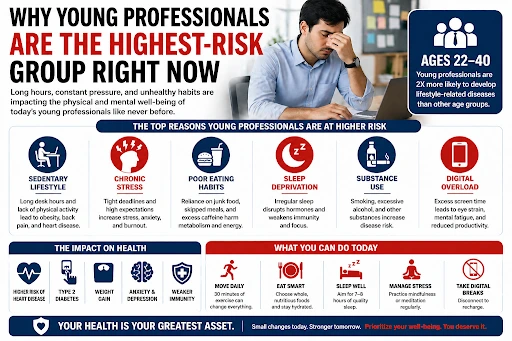
- 9–10 hour desk jobs keep the body inactive for most of the day, slowing fat metabolism
- App-based meals, packaged snacks, and late dinners after work increase daily liver stress
- High work stress and poor sleep raise cortisol levels and promote liver fat buildup
- Late-night screen time disrupts the body’s overnight metabolic repair processes
There's also something called “Lean NAFLD” — a condition in which people with a completely normal body weight still develop a fatty liver due to high visceral fat (fat around internal organs) and insulin resistance.
So if you're thinking "I'm not fat, so I'm safe" — that's unfortunately not how this works anymore.
Fatty Liver Risk Factors in Young Professionals (An Overview)
| Risk Factor | How It Affects the Liver |
| Long sitting hours | Slows fat metabolism and promotes fat accumulation |
| Fast food and processed meals | Increases liver fat and insulin resistance |
| Sugary drinks | Contributes to rapid liver fat buildup |
| Poor sleep | Disrupts metabolic repair processes |
| Chronic stress | Raises cortisol levels linked to liver fat storage |
| Late-night eating | Negatively affects liver metabolism |
Gastroenterology doctors at Phoenix Medical Centre in Dumdum are seeing a noticeable increase in fatty liver disease among young adults with desk-based lifestyles and long working hours.
Stages of Fatty Liver Disease: From Silent Damage to Liver Failure
Stage 1 — Fat Accumulation (Simple Fatty Liver)
Excess fat begins to accumulate within liver cells. Most people experience no noticeable symptoms, which is why fatty liver often goes undetected in the early stage.
Stage 2 — Inflammation (Steatohepatitis)
The liver becomes inflamed as fat accumulation begins damaging liver cells. Mild fatigue, low energy, or discomfort may appear, but these symptoms are often mistaken for stress or exhaustion.
Stage 3 — Fibrosis
Ongoing inflammation can lead to the formation of scar tissue within the liver, a condition known as liver fibrosis. As scarring increases, the liver gradually becomes less efficient at performing normal functions. Most people still experience few or no noticeable symptoms at this stage.
Stage 4 — Cirrhosis
Severe, widespread scarring develops in the liver. At this stage, the liver loses much of its ability to heal or regenerate, and the damage is largely irreversible.
Stage 5 — Liver Failure or Liver Cancer
Advanced liver damage can lead to liver failure or increase the risk of liver cancer. In severe cases, a liver transplant may become the only treatment option.
5 Subtle Signs of Fatty Liver Disease Most Young Professionals Are Ignoring
1. Persistent Fatigue and Low Energy
Constant tiredness despite adequate sleep may occur when the liver struggles to efficiently process nutrients and toxins. Many young professionals mistake this for work stress or burnout. Unexplained fatigue can also point to gut health problems that develop alongside fatty liver — both deserve evaluation.
2. Dull Pain or Heaviness in the Upper Right Abdomen
A mild aching sensation, pressure, or heaviness below the right ribs can develop when the liver becomes inflamed or enlarged. It is often confused with bloating or indigestion.
3. Stubborn Belly Fat and Unexplained Weight Gain
Fatty liver is closely linked to insulin resistance, making abdominal weight gain more common and weight loss more difficult, even with regular exercise or dieting.
4. Brain Fog, Poor Focus, and Irritability
Reduced liver function can affect toxin clearance, leading to poor concentration, mental fatigue, memory issues, and irritability.
5. Dark Skin Patches or Unexplained Itching
Dark velvety skin around the neck or underarms (acanthosis nigricans) and persistent itching may signal metabolic dysfunction associated with fatty liver disease.
If any of these sound familiar, don't Google your symptoms at midnight. Visit Phoenix Medical Centre in Dumdum and speak to our gastroenterology doctor today.
Who Should Get Tested for Fatty Liver Disease?
You should consider a liver health evaluation if you:
- Work long desk-job hours
- Frequently consume processed or fast food
- Rarely exercise
- Experience ongoing fatigue or bloating
- Have diabetes, obesity, or high cholesterol
- Have elevated liver enzymes on blood tests
- Sleep poorly or experience chronic stress
- Have a family history of metabolic disorders
Fatty Liver Disease Myths Young Professionals Still Believe
| Myth | Reality |
| “Only alcohol causes fatty liver.” | Non-alcoholic fatty liver disease can affect non-drinkers, too. |
| “I’m skinny, so I’m safe.” | Lean NAFLD can develop even in people with a normal weight. |
| “No symptoms means no disease.” | Fatty liver often progresses silently for years. |
| “Young people don’t get liver disease.” | Fatty liver disease is increasingly common among people in their 20s and 30s. |
But, Fatty Liver Can Be Reversed
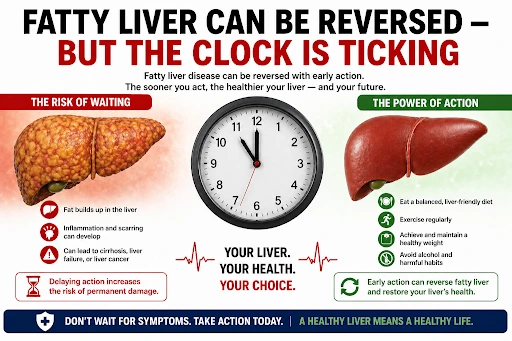
- Stage 1 and Stage 2 fatty liver are often reversible with timely treatment
- Diet changes, exercise, weight control, and medical guidance can help the liver heal
- The liver has a strong natural ability to repair early damage
- Early diagnosis improves the chances of reversing liver inflammation before scarring develops
- Once fibrosis or cirrhosis develops, permanent liver damage becomes harder to reverse
- Advanced fatty liver treatment focuses on slowing progression and preventing complications
- Fatty liver often remains silent in the early stages, making routine screening important
A gastroenterology doctor at Phoenix Medical Centre in Dumdum will always tell you: the best time to address fatty liver is before you feel anything at all.
How Fatty Liver Disease Is Diagnosed
- Liver Function Test (LFT): A blood test that checks liver enzymes and overall liver health
- Abdominal Ultrasound: A painless scan used to detect fat buildup in the liver
- FibroScan: Non-invasive test that measures liver stiffness and helps identify fibrosis in minutes
- Medical Evaluation: Doctors assess symptoms, lifestyle, metabolic risk factors, and scan results
- Personalised Treatment Plan: May include diet changes, exercise, weight management, and medication if required
When Should You See a Gastroenterology Doctor?
You should consider consulting a gastroenterology doctor at Phoenix Medical Centre in Dumdum, if:
- Fatigue persists despite adequate rest
- Liver enzymes remain elevated
- You experience unexplained bloating or abdominal discomfort
- You have diabetes, obesity, or metabolic syndrome
- A routine ultrasound shows fatty liver changes
5 Simple Things You Can Start Doing Right Now to Help Prevent Fatty Liver Disease
- Walk or exercise for 30 minutes daily to improve fat metabolism
- Avoid sugary drinks and packaged juices that increase liver fat buildup
- Eat dinner earlier and reduce late-night eating habits
- Limit refined carbs and ultra-processed foods like maida, chips, and sugary snacks
- Get regular liver health screening, especially if you have sedentary work or metabolic risk factors
The most dangerous stage of fatty liver disease is often the stage where you still feel completely healthy!
If you're between 25 and 45, work a desk job, and haven't had your liver checked recently — that appointment you keep postponing might be the most important one you book for yourself.
Visit Phoenix Medical Centre in Dumdum and speak to our gastroenterology doctor today.
📞 Call 9230978181 now and book your consultation
People Also Ask
Can fatty liver disease happen even if blood tests are normal?
Yes. Some people with fatty liver disease may still have normal liver enzyme levels in routine blood tests. Imaging tests such as Ultrasound or FibroScan can sometimes detect liver fat even when blood tests appear normal.
Does fatty liver always turn into cirrhosis?
No. Many people with early-stage fatty liver never develop cirrhosis, especially when the condition is identified and managed early. The risk increases when inflammation and fibrosis are left untreated for years.
Can stress and lack of sleep affect liver health?
Yes. Chronic stress, irregular sleep, and poor recovery habits can negatively affect metabolism, insulin sensitivity, and fat storage, all of which may contribute to fatty liver disease progression.
Is fatty liver common in young professionals?
Yes. A sedentary work culture, processed food consumption, late-night eating, and reduced physical activity are contributing to fatty liver disease becoming increasingly common among people in their 20s and 30s.
Can exercise improve fatty liver disease?
Regular physical activity helps improve fat metabolism, insulin resistance, and liver inflammation. Even moderate daily exercise can support liver recovery in the early stages.
When should someone get screened for fatty liver disease?
People with obesity, diabetes, high cholesterol, sedentary lifestyles, persistent fatigue, or unhealthy eating habits should consider a liver health evaluation even if symptoms are absent.