
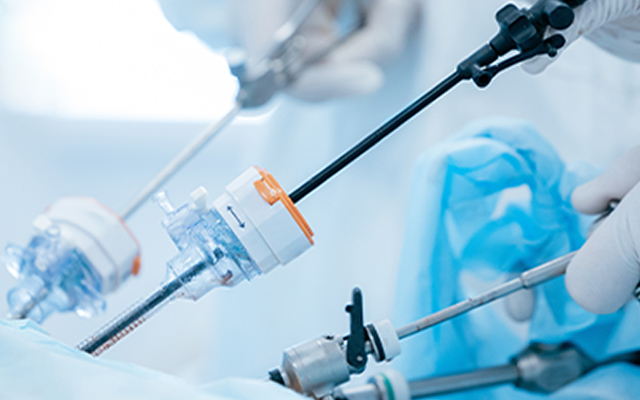
Surgery once meant large cuts, visible scars, and long, painful recovery. That fear still holds many patients back.
But laparoscopy has changed the game. With small incisions and precise techniques, it reduces pain, scarring, and the risk of infection while speeding healing. The result is simple: safer procedures, quicker recovery, and less disruption to everyday life.
Understanding these changes helps patients make confident decisions about treatment, especially when considering laparoscopic surgery in Dumdum.
Quick Take- Why Laparoscopy Changes Recovery
Smaller incisions create less tissue damage. Less trauma means reduced pain, fewer wound problems, and faster healing. Patients often walk earlier and return to normal routines sooner.
Modern minimally invasive surgery focuses on precision rather than exposure. This shift explains why many doctors increasingly recommend laparoscopic surgery in Dumdum for suitable cases.
What Is Laparoscopy (Keyhole Surgery)?
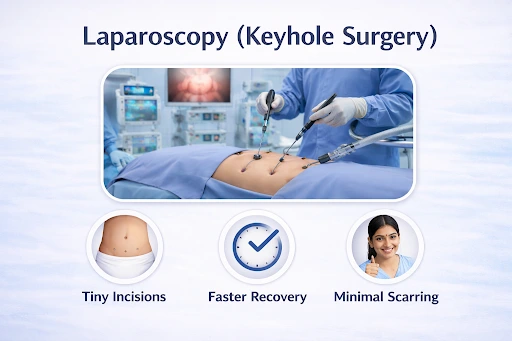
Laparoscopy uses tiny cuts, a camera, and fine instruments to perform surgery without large openings. The approach improves visibility while protecting surrounding tissues.
How It Works
Laparoscopy uses small entry points rather than large surgical incisions, allowing precise treatment with minimal disruption.
Procedure basics:
- Tiny incisions for the camera and instruments
- High-definition laparoscope guides surgery
- Specialised tools treat the problem precisely
- Gas expansion improves internal visibility
Less tissue disturbance supports safer healing and faster recovery.
Laparoscopy vs Open Surgery in One Sentence
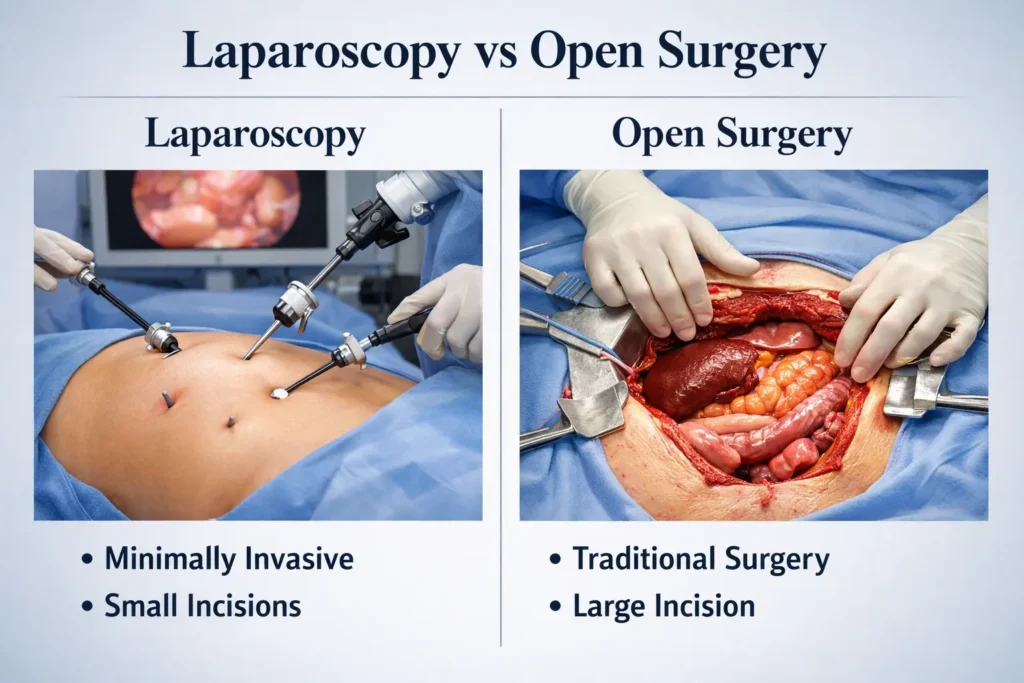
In laparoscopy vs open surgery
- Traditional surgery requires a larger cut
- While laparoscopy achieves similar goals through minimal access
This difference explains many recognised benefits of keyhole surgery, including faster recovery and comfort.
3 Things Laparoscopy Reduces
1) Scars
Tiny entry points replace long incisions. The typical laparoscopic surgery scars size is often under one centimetre. Smaller wounds mean cosmetic confidence improves as they heal.
2) Pain
Minimal muscle and tissue disruption is why laparoscopic surgery is consistently reported to cause less pain compared with traditional open procedures.
Patients often notice:
- Easier breathing and movement
- Reduced need for strong pain medication
- Faster independence after surgery
3) Infection Risk
Many patients ask, does laparoscopy reduce infection risk. Smaller wounds mean fewer entry points for bacteria and fewer dressing complications. Lower wound exposure significantly improves safety in properly selected patients.
Why These Benefits Happen
Less Tissue Handling → Less Inflammation
Gentle manipulation preserves blood supply and reduces swelling. Better circulation helps oxygen reach healing tissue faster.
Smaller Wound Surface Area → Fewer Entry Points for Bacteria
Reduced incision size lowers contamination risk. This directly supports improved wound outcomes.
Earlier Mobility → Fewer Recovery Complications
Patients move earlier after surgery. Moreover, early movement protects the entire body during healing, resulting in
- Reduced lung complications
- Lower clot risk
- Better digestion recovery
Recovery: What Patients Usually Notice
Hospital Stay and Return to Routine
Typical recovery time after laparoscopic surgery is shorter than traditional approaches.
| Recovery Factor | Laparoscopy | Open Surgery |
| Hospital stay | Often shorter | Usually longer |
| Mobility | Earlier walking | Slower movement |
| Work return | Faster | Delayed |
Many patients resume daily activities within days rather than weeks.
Pain Medicine Needs
Reduced trauma often lowers medication requirements. Comfort improves without excessive sedation.
When Recovery Can Still Be Slower
Complex disease, obesity, or prior surgery may influence healing. Safety decisions always prioritise patient condition.
When Laparoscopy Is Commonly Used
- Gallbladder removal
- Appendix surgery
- Hernia repair
- Gynecological procedures
Many specialists offering laparoscopic surgery in Dumdum routinely manage these conditions using minimally invasive techniques.
When Laparoscopy May Not Be the Best Choice
- Emergency bleeding situations
- Extensive abdominal adhesions
- Certain complex cancers
When to See a Laparoscopic Surgeon in Kolkata
Seek consultation if you notice:
- Ongoing abdominal discomfort or fever
- Redness or discharge from a wound
- Need for surgical planning or a second opinion
Consulting a trusted laparoscopic surgeon in Kolkata helps confirm the right treatment approach.
People Also Ask
Is Laparoscopy Always Safer Than Open Surgery?
Not always. It’s often safer, but it depends on the condition and the surgeon’s skill.
How Big Are Laparoscopic Scars?
Very small. That’s why healing looks cleaner and faster.
How Soon Can One Walk After Laparoscopy?
Usually within hours or by the next day, with guidance.
What Are Signs of Infection After Surgery?
Fever, redness, pus, or swelling. Act fast—early care prevents complications.
The Takeaway: Safer Surgery, Faster Healing
Modern laparoscopy reduces scars, pain, and infection risk by minimising tissue injury and promoting faster recovery.
Patients seeking advanced care often choose laparoscopic surgery at Phoenix Medical Centre in Dumdum for compassionate surgical expertise.
Book your private session today.