
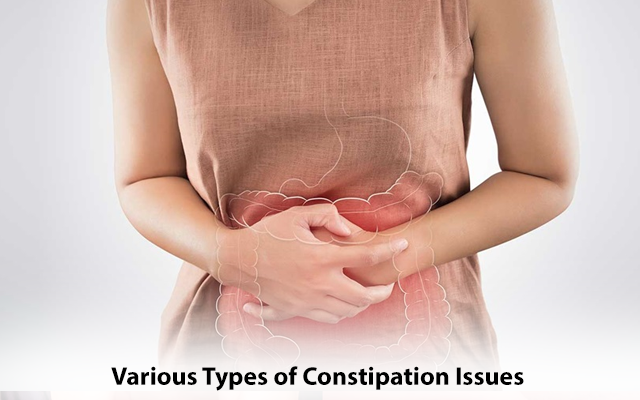
Constipation is a common digestive condition that affects people of all ages. Symptoms of constipation include difficult, infrequent or painful bowel movements. Understanding the different types of constipation will help you to find the most effective treatment.
Types of Constipation Issues
Some of the common types of constipation issues are listed below.
- Functional Constipation: It is the most common type of constipation. It happens due to lifestyle factors like hydration, diet, stress or lack of exercise. People who suffer from functional constipation have less than three bowel movements per week, and their stools might be dry, hard and difficult to pass.
This type of constipation can be managed easily by increasing fiber intake, exercising regularly and drinking more fluids. Proper stress management techniques can also help to improve your bowel function.
- Chronic Idiopathic Constipation: This refers to a long-term condition in which constipation persists for several months, and the cause remains unclear. People suffering from this condition may experience abdominal pain, bloating and discomfort.
This condition may be more difficult to manage and requires a combination of lifestyle changes. Fiber supplements, medications and laxatives can help to improve bowel motility.
- Slow-Transit Constipation: This type of constipation is characterized by the slow movement of food in the digestive tract. It can result in infrequent bowel movements. The condition can be caused by a malfunction in the contractions of the colon’s muscle.
Common symptoms of this condition include bloating and abdominal discomfort. Treatments for slow-transit constipation are medications and in severe cases surgery may be required.
- Irritable Bowel Syndrome (IBS) with Constipation: This condition causes chronic constipation with bloating, abdominal pain and discomfort. It is often linked to gastrointestinal issues and changes in bowel habits. Doctors often recommend dietary changes and medications to manage IBS symptoms.
- Medication-induced Constipation: Some medications can cause constipation as a side effect. For instance, antacids, iron supplements and antidepressants are some of the common causes of medication-induced constipation. This is usually a temporary condition and resolves once the medication gets replaced with alternatives. However, in some cases, medications like stool softeners and laxatives may be needed to reduce constipation.
H2- Conclusion
If your constipation still persists, you may need to seek immediate medical attention as it may be a sign of some underlying health issue. You can consult our doctors for gastroenterology treatment in Dumdum. They will diagnose your condition and offer appropriate guidance.