
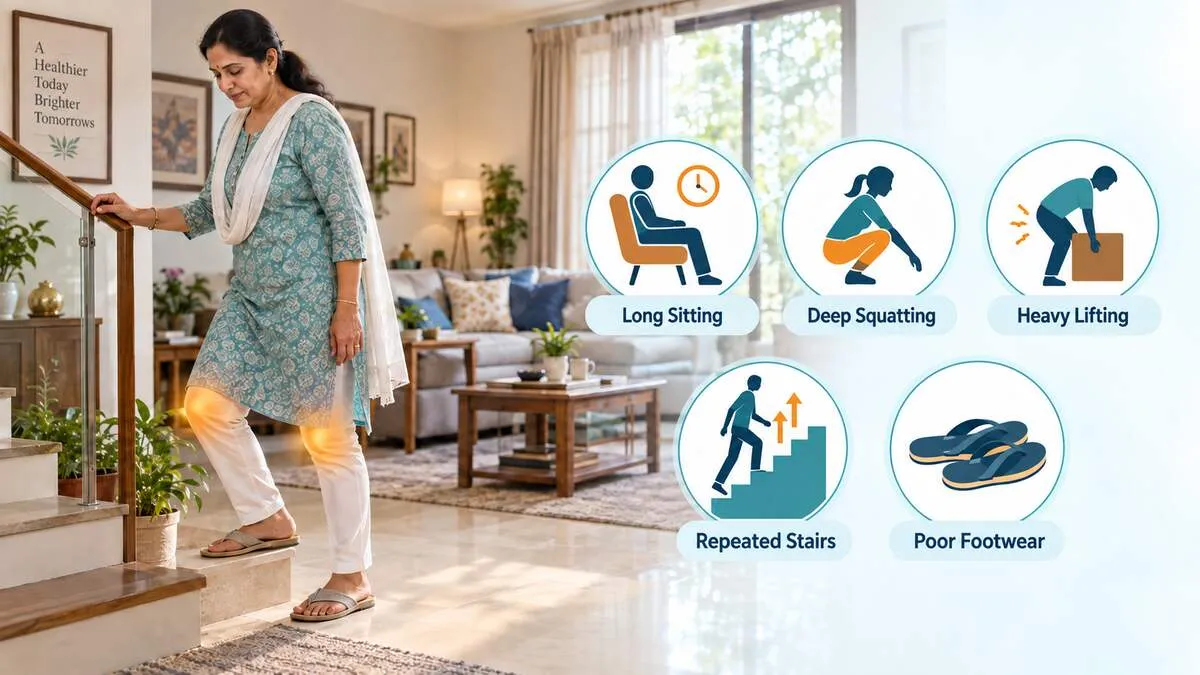
A knee pain treatment often begins with understanding one simple fact — your daily routine can influence your knee health more than you realise. Many people associate knee problems only with injuries or ageing, but repeated movements, poor posture, and lifestyle choices can gradually increase stress on the joints.
The knee is one of the body's largest weight-bearing joints. It supports your body while walking, climbing stairs, sitting, standing, and performing daily activities. Over time, certain habits may affect the cartilage, muscles, and surrounding structures that keep the knee stable. So, to clear up any doubts, our blog explains:
- How common daily habits may silently increase knee stress
- Lifestyle changes that can support better health
- When persistent symptoms need medical attention
Knee Damage Often Goes Unnoticed Until It’s Serious
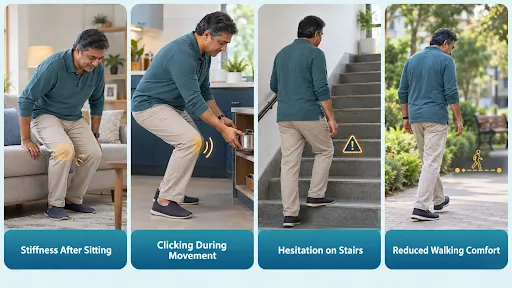
Many knee problems develop slowly. A person may ignore occasional stiffness, mild swelling, or difficulty performing certain movements, assuming it is a normal part of ageing or tiredness. However, these can sometimes be early signs of knee cartilage damage.
The cartilage inside the knee works as a smooth cushion between the bones. When it starts wearing down, the joint may not move as comfortably as before. Repeated strain, lack of muscle support, excess body weight, and incorrect movement patterns can contribute to gradual changes.
Common early warning signs may include:
- Stiffness after sitting for a long time
- Difficulty getting up from a low chair or the floor
- Reduced flexibility while bending the knee
- Mild swelling after regular activities
- A feeling that the knee is not moving smoothly
Recognising these changes early can help prevent further stress on the joint.
Everyday Habits That Quietly Wear Down Your Knees
Many bad habits that cause knee pain are linked to daily activities. These habits may not create immediate problems, but continuous strain can affect knee function over time.
Understanding these patterns helps you make small adjustments before the discomfort becomes a bigger concern.
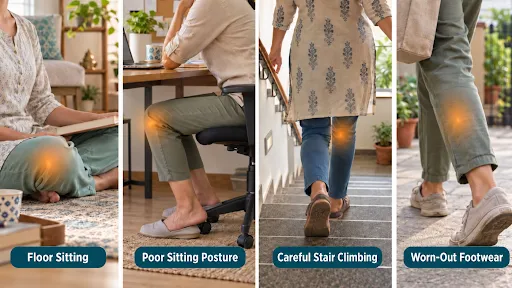
Sitting Cross-Legged or on the Floor for Long Periods
Sitting on the floor during meals, working, or relaxing is common in many Indian households. While occasional floor sitting may not harm everyone, staying in deep knee-bending positions for extended periods can place additional pressure on the joint.
Repeated squatting on the floor may cause knee strain and may become more challenging for people with existing joint weakness, reduced flexibility, or cartilage-related changes. The deep bend increases stress on the knee structures.
You can reduce strain by:
- Changing positions regularly
- Using a chair or raised surface when needed
- Avoiding staying in one posture for too long
Poor Sitting Posture at Work or Home
Long hours at a desk, incorrect chair height, or sitting without proper support may affect your overall body alignment. While the knee isn't directly involved in sitting posture, poor alignment can affect how your hips, thighs, and knees work together.
The link between sitting posture and knee damage often involves muscle imbalance and reduced movement. Tight muscles and prolonged inactivity may increase stiffness around the joint.
Try these simple corrections:
- Keep your feet flat on the floor
- Avoid sitting continuously for several hours
- Take short movement breaks during work
Climbing Stairs the Wrong Way
Stair climbing is a normal daily activity, but the way you use your knees during this movement matters. Moving too quickly, putting too much pressure on one leg, or climbing without enough muscle strength can increase stress on the joint.
Although regular stair use does not automatically damage healthy knees, incorrect technique can contribute to knee wear and tear from climbing stairs, especially in people who already have joint problems.
Helpful habits include:
- Using the handrail when needed
- Avoiding rushing up or down stairs
- Strengthening thigh muscles to support movement
Wearing Unsupportive or Worn-Out Footwear
Your footwear affects how your body absorbs impact while walking. Shoes without proper cushioning or support may alter your walking pattern and increase pressure on your knees.
The wrong footwear can cause knee pain when it doesn't provide adequate stability, especially during long walks or standing activities.
Consider footwear that:
- Fits properly
- Provides comfortable support
- Matches your daily activity level
Replacing old, damaged footwear is a simple step toward better joint protection.
Lifestyle Factors That Add Extra Stress on Knee Joints
Daily habits are not limited to movement patterns. Overall lifestyle choices also influence knee health.
Carrying Excess Weight
Every extra kilogram of body weight increases the workload placed on weight-bearing joints. The knees absorb this additional pressure during walking, climbing stairs, and standing.
The link between obesity and knee joint pressure is well recognised because increased mechanical load can accelerate stress on the structures. Maintaining a healthy weight can reduce unnecessary pressure and support better mobility.
Healthy weight management includes:
- Balanced nutrition
- Regular physical activity
- Consistent lifestyle routines
Lack of Movement and Prolonged Inactivity
Many people assume resting protects their knees, but too much inactivity can weaken the muscles that support the joint.
Weak thigh and hip muscles may reduce knee stability, making daily movements more demanding. Gentle activities such as walking, stretching, swimming, or guided exercises can help maintain flexibility and strength.
How to Protect Your Knees in Daily Life
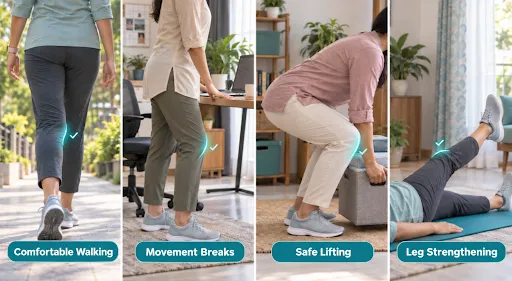
Protecting your knees does not always require major changes. Small, consistent adjustments can make daily movements easier and safer.
These knee-friendly lifestyle changes include:
- Maintaining a healthy body weight
- Avoiding prolonged sitting in one position
- Wearing supportive footwear
- Following proper exercise techniques
- Keeping leg muscles strong
Simple Posture and Movement Corrections
Small changes in the way you move can reduce unnecessary pressure on your knees.
For example:
- Bend your knees properly while lifting objects
- Avoid sudden twisting movements
- Use support while climbing stairs if needed
- Do not force deep bending if it causes discomfort
Being mindful of movement patterns helps your knees handle daily activities more efficiently.
Strengthening Exercises Worth Adding to Your Routine
Strong muscles around the knee provide better support and stability. Low-impact exercises are often useful for maintaining joint movement.
Common knee-supporting activities may include:
- Straight leg raises
- Gentle squats with correct technique
- Hamstring stretches
- Walking at a comfortable pace
However, exercise plans should match your health condition and existing knee concerns.
When Knee Pain Is More Than Just Fatigue
Occasional tiredness after physical activity may improve with rest. However, you shouldn't ignore persistent symptoms.
Knowing when to see an orthopaedic doctor for knee pain can help you identify problems early and prevent symptoms from worsening.
Warning Signs You Shouldn’t Ignore
Consult an orthopaedic specialist if you experience:
- Knee swelling that keeps returning
- Difficulty walking or performing daily activities
- Reduced movement
- Persistent stiffness
- Symptoms that continue despite rest and basic care
At Phoenix Medical Centre, Dumdum, we focus on identifying the cause of knee problems before recommending suitable management options. A proper assessment helps determine whether you need lifestyle changes, physiotherapy, medication, or other treatments.
Small Changes, Long-Term Knee Health
Your knees support almost every movement you make throughout the day. Small habits like sitting incorrectly, wearing unsuitable footwear, avoiding movement, or ignoring early symptoms can gradually affect joint health.
The good news is that many daily changes are simple. Better posture, regular activity, healthy weight management, and timely medical advice can help protect your knees for years.
If the problem affects your routine, you may consider seeking professional guidance for knee pain treatment in Dumdum can help you choose the right approach for your condition.
What People Also Ask
Can sitting on the floor regularly damage your knees over time?
Regular floor sitting does not damage healthy knees on its own. However, staying in deep bending positions for long periods may increase stress on the joint, especially in people with existing stiffness or joint concerns.
Does climbing stairs daily wear out knee cartilage?
Daily stair climbing does not automatically wear out healthy cartilage. The impact depends on factors such as body weight, muscle strength, movement technique, and existing joint conditions.
How much does excess body weight affect knee joint health?
Excess body weight increases pressure on weight-bearing joints like the knees. Maintaining a healthy weight can reduce additional stress and support better mobility.
What type of footwear is best to prevent knee strain?
Comfortable footwear with proper cushioning, stability, and a good fit can help reduce unnecessary stress while walking or standing for long periods.
When should knee pain be checked by an orthopaedic doctor instead of home care?
An orthopaedic doctor should evaluate knee symptoms that persist, limit daily activities, return repeatedly, or involve swelling, stiffness, or reduced movement.