
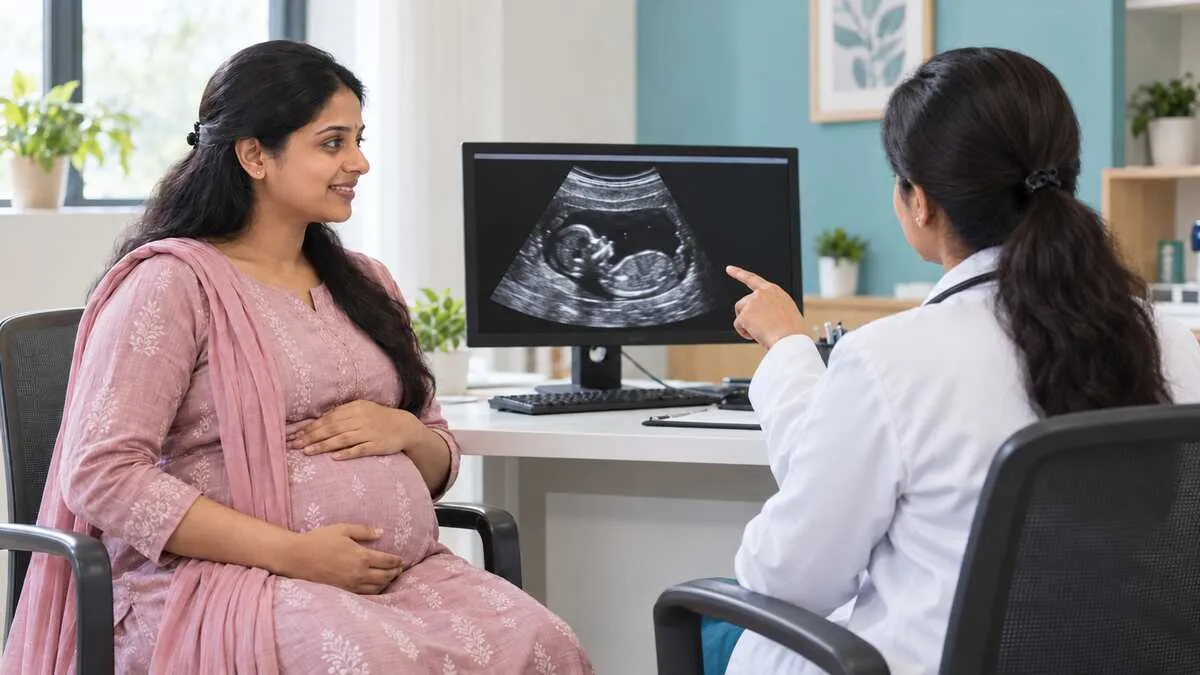
Pregnancy brings many changes to the body, including shifts in digestion and gallbladder function that can increase the chance of gallstone formation. As per a study, biliary sludge develops in roughly 14.4% 1 of pregnant women in India, with about 6.67% 2 going on to form active gallstones. Also, women face a 2 to 3 3 times higher risk than men, particularly due to hormonal fluctuations during pregnancy and a history of multiple childbirths.
But you don’t need to worry about the numbers. Having gallstones does not always mean a pregnancy will become complicated. However, recurring symptoms or untreated complications may require medical attention. So, in this blog, we have covered:
- Why gallstones are more common during pregnancy
- Symptoms and risks that need attention
- Treatment options before and after delivery
Why Gallstones Are More Common During Pregnancy
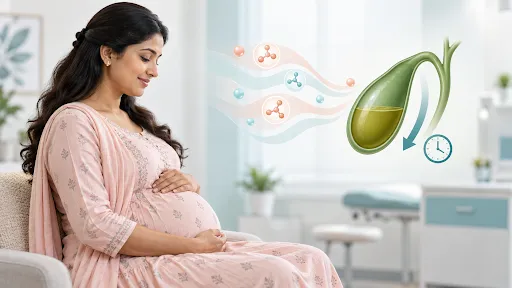
Pregnancy can increase the chances of developing gallbladder problems during pregnancy because the body goes through major hormonal and physical changes. The gallbladder stores bile, a digestive fluid that helps break down fats. When bile flow becomes slower, cholesterol and other substances can form solid deposits called gallstones.
Many pregnant women may have gallstones without noticing any symptoms. However, when a stone blocks normal bile flow, it can cause digestive issues and may require proper evaluation.
Hormonal Changes and Gallbladder Function
During pregnancy, increased progesterone levels relax muscles throughout the body, including the muscles that help the gallbladder empty. This slower movement can keep bile in the gallbladder longer, increasing the risk of stone formation.
This situation can also affect bile cholesterol levels. Along with factors such as family history, weight changes, and diet patterns, these changes may contribute to gallstone development.
Recognising Gallstone Symptoms While Pregnant
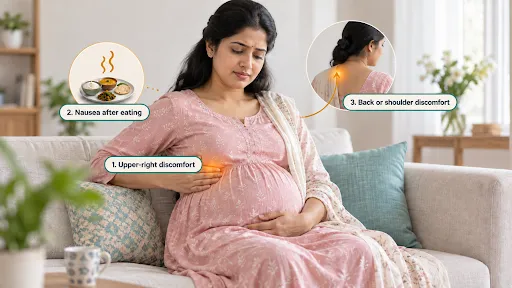
Identifying gallstone symptoms while pregnant can be difficult because some signs may resemble common pregnancy-related digestive changes. Watch for repeated or unusual symptoms.
Symptoms That Overlap With Normal Pregnancy Discomfort
Some gallstone-related symptoms may appear similar to regular discomfort, including:
- Feeling unusually full after meals
- Nausea or indigestion
- Bloating after certain foods
- Upper abdominal discomfort
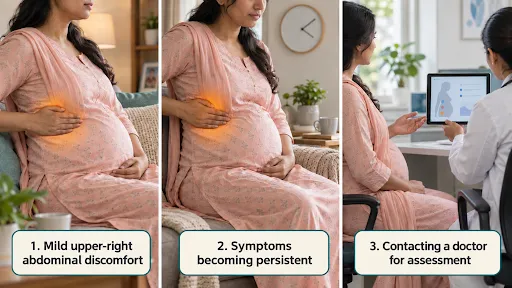
Occasional digestive changes are common during pregnancy. However, symptoms that return frequently or affect daily activities should be discussed with a doctor.
Warning Signs That Need Prompt Medical Attention
Don't ignore certain symptoms during pregnancy. These may include:
- Severe or repeated abdominal episodes
- Fever with digestive symptoms
- Yellowing of the eyes or skin
- Persistent vomiting
- Symptoms that continue despite dietary changes
Early assessment helps doctors determine whether monitoring, medication, or further treatment is needed.
What Happens If Gallstones Are Left Untreated
Not every gallstone requires immediate treatment. Some people have silent gallstones that never cause problems. However, doctors should monitor symptomatic stones carefully.
Understanding the untreated gallstones risks in pregnancy can help expecting mothers recognise when medical advice is needed.
Risks to the Mother
When gallstones repeatedly block bile flow, they may cause gallbladder inflammation or other digestive complications. Frequent episodes can affect food intake, hydration, and overall comfort during pregnancy.
Possible concerns may include:
- Repeated gallbladder-related episodes
- Gallbladder inflammation
- Difficulty maintaining a regular diet
- Rare complications involving nearby digestive organs
Risk depends on symptom severity and the mother's overall health.
Potential Risks to the Baby
Gallstones themselves do not usually directly affect the baby. However, serious complications affecting the mother may require treatment to maintain a healthy pregnancy.
This is why doctors carefully evaluate cases involving gallstones and pregnancy complications rather than following one approach for every patient.
Can Gallstones Be Managed Without Surgery During Pregnancy?
In many cases, doctors initially consider non-surgical methods, especially when symptoms are mild. Managing gallstones without surgery in pregnancy may involve dietary changes, symptom tracking, and regular follow-ups.
The approach depends on factors such as the stage, symptom severity, and whether complications are present.
Dietary and Lifestyle Adjustments
Food choices may influence gallbladder symptoms. While diet cannot dissolve existing stones, certain changes may help reduce triggers.
Helpful measures include:
- Eating smaller meals at regular intervals
- Limiting oily and high-fat foods
- Drinking enough fluids
- Following a balanced diet
Discuss any major dietary changes with a healthcare provider to ensure proper nutrition for both mother and baby.
Monitoring Approach by Trimester
Gallstone symptoms may change throughout your pregnancy. Gallstone pain can vary by trimester depending on hormonal changes, digestion, and the growing uterus.
Doctors usually consider:
- Frequency of symptoms
- Severity of episodes
- Pregnancy stage
- Overall maternal and fetal health
Regular monitoring helps determine whether conservative management is still appropriate.
When Is Gallbladder Surgery Necessary During Pregnancy?
Surgery is not needed for every pregnant woman with gallstones. However, when symptoms become frequent, severe, or lead to complications, doctors may consider gallbladder removal.
Many patients ask, "Is gallbladder surgery safe during pregnancy?” In select situations, doctors may consider laparoscopic gallbladder removal after weighing the benefits and potential risks.
Research and clinical guidelines recognise laparoscopic cholecystectomy as an option for pregnant patients who require surgical treatment, with decisions based on individual circumstances rather than a fixed rule for everyone.
Which Trimester Is Considered Safest for Surgery
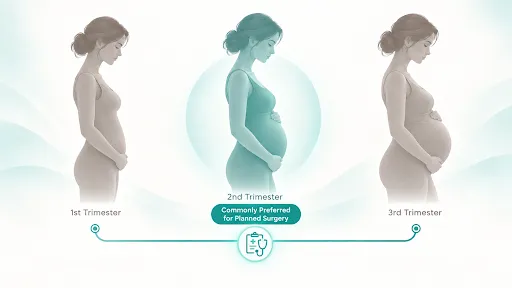
The second trimester is often preferred for planned surgery when intervention is necessary. However, urgent situations may require treatment at another stage of pregnancy.
The decision about when to remove the gallbladder during pregnancy depends on:
- Severity of symptoms
- Presence of complications
- The stage
- Overall health condition
Doctors carefully balance the need for treatment with pregnancy safety.
What Pregnancy-Safe Treatment Options Look Like
Pregnancy-safe gallstone treatment focuses on protecting both mother and baby while addressing symptoms effectively.
Depending on the condition, treatment may include:
- Regular monitoring
- Dietary adjustments
- Medicines when suitable
- Laparoscopic gallbladder removal in selected cases
For patients looking for gallbladder stone removal in Dumdum, consider reaching out to specialists.
Waiting Until After Delivery — Is That an Option?
If gallstones are not causing serious symptoms, some women may postpone surgery until after childbirth. This approach requires regular follow-up and guidance from a healthcare professional.
Postpartum gallbladder removal may be considered when symptoms continue after delivery or when repeated episodes affect quality of life.
The timing may depend on:
- Severity of previous symptoms
- Recovery after childbirth
- Breastfeeding considerations
- Overall health status
A planned approach after delivery can be suitable for some women, while others may need treatment earlier.
Don’t Ignore Gallstone Symptoms During Pregnancy
Gallstones during pregnancy don't always mean complications are unavoidable. Many women manage them safely with proper monitoring and timely medical advice.
However, don't dismiss repeated symptoms as normal pregnancy changes. Early evaluation can help prevent complications and ensure the right treatment approach at the right time. Here, we assess gallbladder concerns carefully and guide patients to suitable options based on their condition.
What People Also Ask
Can gallstones harm the baby if left untreated during pregnancy?
Gallstones usually do not directly harm the baby. However, complications affecting the mother’s health may require treatment to support a safe pregnancy.
Is it safe to undergo gallbladder surgery while pregnant?
Gallbladder surgery can be performed during pregnancy when medically necessary. Doctors consider the pregnancy stage, symptoms, and overall health before recommending surgery.
What foods should be avoided if you have gallstones during pregnancy?
Foods high in unhealthy fats, heavily fried items, and meals that trigger symptoms may need to be limited. Follow a balanced pregnancy diet with medical guidance.
Can gallstone pain be managed until after delivery?
Some women can manage symptoms until delivery through monitoring, dietary changes, and medical advice. However, repeated or severe symptoms may require earlier intervention.
How are gallstones diagnosed safely during pregnancy?
Ultrasound is commonly used to diagnose gallstones during pregnancy because it does not involve radiation and is considered safe for both mother and baby.
Sources:
1 https://pmc.ncbi.nlm.nih.gov/articles/PMC3394590
2 https://pmc.ncbi.nlm.nih.gov/articles/PMC3394590/
3 https://pubmed.ncbi.nlm.nih.gov/17103289/