
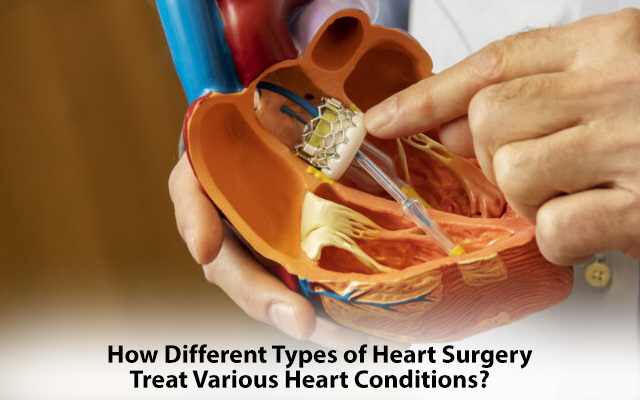
Heart surgery is a complex yet life-saving procedure aimed at improving the heart's functioning and restoring proper blood circulation. It's often recommended to address severe heart conditions that can't be managed with medication or lifestyle changes alone. Let's explore some common types of cardiology surgeries and how they treat various heart problems.
Coronary Artery Bypass Surgery (CABG)
This surgery is performed to treat blocked or narrowed coronary arteries, which can restrict blood flow to the heart. Surgeons use a healthy blood vessel from another part of the body to bypass the blocked artery, creating a new path for blood to flow. CABG is often recommended for people with severe coronary artery disease to reduce chest pain and prevent heart attacks.
Heart Valve Surgery
Heart valve surgery is a type of cardiology surgery which repairs or replaces damaged valves that don't open or close properly. This ensures blood flows in the right direction. For instance, in valve replacement, a faulty valve is replaced with a mechanical or biological valve, improving the heart's efficiency and reducing symptoms like fatigue or breathlessness.
Aneurysm Heart Surgery
Aneurysms occur when a portion of the artery wall weakens, leading to a bulge that can rupture. Aneurysm heart surgery involves repairing or replacing the affected section of the artery to prevent life-threatening complications and maintain healthy blood flow.
Septal Myectomy
Septal myectomy is a procedure for treating hypertrophic cardiomyopathy, a condition where the heart muscle becomes abnormally thick. Surgeons remove part of the thickened septum to improve blood flow and relieve symptoms like shortness of breath and chest pain.
How Heart Surgeries Improve Life?
Different types of cardiology surgery aims to restore normal heart function, which improves the overall quality of life. They can reduce symptoms like chest pain, breathlessness, and fatigue, allowing patients to resume daily activities with greater ease. Surgeries also prevent life-threatening events like heart attacks or strokes, extending the patient's life expectancy.
When Is Heart Surgery Needed?
Heart surgery is typically needed when:
- Medications or lifestyle changes aren't effective in managing symptoms.
- There's severe artery blockage or heart valve damage.
- Conditions like an aneurysm pose a risk of rupture.
- Life-threatening complications, such as heart failure or arrhythmias, occur.
Conclusion
If you are experiencing heart problems, consult a cardiologist to determine the best course of action. With advancements in medical technology and skilled surgical teams, heart surgeries have become safer and more effective in treating complex heart conditions.
Consult the best heart specialists at the top multispecialty clinic in Dum Dum, Kolkata, to assess your heart health and address any concerns you may have.