

If you cannot raise your arm properly, the cause may be a rotator cuff tear, frozen shoulder, shoulder impingement, bursitis, arthritis, dislocation, or a pinched nerve in the neck. The inability to lift your arm is commonly associated with pain, weakness, stiffness, inflammation, or structural damage affecting the shoulder joint.
An orthopaedic doctor can identify the underlying cause through a clinical examination and appropriate imaging, and then recommend the right treatment.
How the Shoulder Enables Arm Movement
The shoulder is a ball-and-socket joint formed by the humerus, scapula, and clavicle. Shoulder movement depends on the coordinated function of the rotator cuff muscles, tendons, ligaments, and joint capsule.
Damage, inflammation, degeneration, or compression affecting any of these structures can restrict movement and make it difficult to lift your arm overhead, reach behind your back, or perform routine daily activities.
10 Types of Shoulder Pain and What They May Indicate

1. Why Does Reaching Overhead Cause Shoulder Pain?
Pain when reaching for a shelf, putting on a shirt, or lifting the arm overhead may indicate a rotator cuff tear. This condition affects the tendons that stabilise the shoulder and help control arm movement.
Signs of a Rotator Cuff Tear
- Pain during overhead activities
- Difficulty lifting the arm
- Shoulder weakness
- Pain when sleeping on the affected side
An experienced orthopaedic doctor may recommend imaging studies and physiotherapy depending on the severity of the tendon injury.
2. Why Is There a Sharp, Burning Pain When Raising the arm sideways?
A sharp, burning sensation that occurs while lifting the arm sideways is often associated with shoulder impingement syndrome. The pain typically develops when tendons and soft tissues become compressed during shoulder movement.
Signs of Shoulder Impingement Syndrome
- Burning or pinching pain during arm elevation
- Painful arc of motion between 60° and 120°
- Discomfort with overhead activities
- Symptoms that worsen with repetitive arm use
3. Why Does the Shoulder Feel Locked or Extremely Stiff?
When shoulder movement becomes progressively restricted and everyday tasks become difficult, frozen shoulders may be the underlying cause. This condition develops when the shoulder capsule becomes inflamed and tightens over time.
Signs of Frozen Shoulder
- Significant loss of shoulder mobility
- Difficulty reaching overhead or behind the back
- Deep aching pain
- Stiffness that gradually worsens
Early assessment by an orthopaedic specialist may help prevent long-term stiffness and improve shoulder mobility outcomes.
4. Why Is There a Constant Dull Ache on the Outside of the Shoulder?
A persistent ache along the outer shoulder may indicate shoulder bursitis. This condition occurs when the fluid-filled bursa that cushions the shoulder becomes irritated and inflamed.
Signs of Shoulder Bursitis
- Dull, localised shoulder pain
- Tenderness along the outer shoulder
- Pain during grooming or reaching activities
- Discomfort when lying on the affected side
5. Why Does the Front of the Shoulder Hurt During Lifting or Pulling?
Pain at the front of the shoulder during lifting, carrying, or pulling activities may be caused by biceps tendinitis. The condition affects the tendon that connects the biceps muscle to the shoulder joint.
Signs of Biceps Tendinitis
- Pain in the front of the shoulder
- Symptoms that worsen during lifting or pulling
- Tenderness over the biceps tendon
- Discomfort when rotating the forearm
6. Why Does the Shoulder Feel Like It Is Slipping Out of Place?
A sensation that the shoulder is shifting, slipping, or partially coming out of the joint may suggest shoulder instability. This often occurs when the structures that stabilise the shoulder become stretched or damaged.
Signs of Shoulder Instability
- Feeling that the shoulder may give way
- Recurrent popping or shifting sensations
- Joint catching during movement
- Reduced confidence in using the arm
If instability symptoms persist, an orthopaedist may evaluate the shoulder for ligament or labral damage.
7. Why Does the Shoulder Grind or Click During Movement?
Grinding, clicking, or crunching sounds accompanied by pain and stiffness may indicate shoulder osteoarthritis. This condition develops as the protective cartilage within the joint gradually wears away.
Signs of Shoulder Osteoarthritis
- Deep joint pain
- Grinding, clicking, or crunching sounds
- Morning or activity-related stiffness
- Reduced shoulder function over time
8. Why Does Severe Shoulder Pain Occur Without an Injury?
Sudden, intense shoulder pain that develops without a fall or accident may be caused by calcific tendinitis. This condition occurs when calcium deposits accumulate within the rotator cuff tendons, triggering inflammation.
Signs of Calcific Tendinitis
- Sudden onset of severe pain
- Pain that occurs even at rest
- Markedly reduced shoulder movement
- Difficulty performing routine activities
9. Why Does the Shoulder Catch, Lock, or Pop During Movement?
A catching, locking, or popping sensation inside the shoulder joint may indicate a labral tear. The labrum is a ring of cartilage that helps keep the shoulder stable during movement.
Signs of a Labral Tear
- Catching or locking sensations
- Pain during throwing or overhead activities
- Popping inside the joint
- Reduced shoulder strength or performance
Advanced imaging and evaluation by a bone specialist may help confirm labral injuries and guide treatment decisions.
10. Why Does Shoulder Pain Occur with Tingling or Weakness in the Arm?
Shoulder pain accompanied by numbness, tingling, or weakness may originate from a pinched nerve in the neck rather than the shoulder itself. This condition is known as cervical radiculopathy.
Signs of Cervical Radiculopathy
- Neck and shoulder pain occurring together
- Tingling or numbness in the arm or hand
- Muscle weakness
- Symptoms that radiate down the arm and into the fingers
Persistent numbness or weakness should be evaluated by an orthopaedic doctor to identify whether the problem originates from the shoulder or cervical spine.
How Do Orthopaedic Doctors Diagnose Shoulder Immobility?
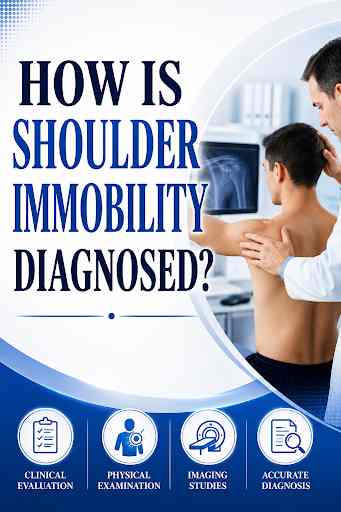
Doctors determine the cause of shoulder immobility through a combination of clinical assessment and diagnostic imaging.
Common Diagnostic Methods Include:
- Physical examination of shoulder movement, strength, and stability
- Orthopaedic tests to identify affected tendons, muscles, and joints
- X-rays to evaluate bone and joint abnormalities
- Ultrasound to assess soft tissue injuries
- MRI for detailed visualisation of tendons, ligaments, and cartilage
What Non-Surgical Treatments Are Available?
Many cases of shoulder immobility improve with conservative treatment designed to restore movement and reduce pain.
Treatment options may include:
- Physical therapy and guided rehabilitation
- Range-of-motion and stretching exercises
- Strengthening programs for shoulder stabilising muscles
- Manual therapy and joint mobilization
- Activity modification during recovery
When Are Injections Recommended?
Injection therapy may be considered when pain and inflammation significantly limit shoulder movement.
Common injection treatments include:
- Corticosteroid injections for inflammation relief
- Ultrasound-guided injections for accurate medication placement
- Hydrodilatation for selected cases of frozen shoulder
When Is Surgery Necessary?
Surgery is typically reserved for severe structural damage or symptoms that do not improve with conservative treatment.
Conditions that may require surgery include:
- Full-thickness rotator cuff tears
- Labral tears
- Severe bone spurs
- Advanced joint degeneration
An orthopaedist can determine whether surgery is necessary or whether conservative treatment remains the most appropriate option.
When to Seek Immediate Orthopaedic Medical Attention for Shoulder Issues
While many shoulder issues develop gradually, some symptoms demand immediate professional care. Schedule an appointment with an orthopaedic specialist if your pain persists for more than a few weeks or prevents you from sleeping.
Get Help from an Orthopaedic Expert Right Away If:
- Your shoulder pain is the result of a severe fall, car accident, or sudden trauma.
- The joint appears visibly misshapen, deformed, or heavily bruised.
- You experience a total loss of sensation or sudden, profound weakness in your arm or hand.
Critical Warning: You experience sudden left shoulder pain accompanied by a feeling of pressure in your chest, dizziness, sweating, or shortness of breath. This can be a primary sign of a life-threatening heart attack.
Key Takeaways
- Difficulty raising the arm may result from tendon injuries, inflammation, arthritis, instability, or nerve compression.
- Early diagnosis improves treatment outcomes and may prevent long-term stiffness or weakness.
- Non-surgical treatments are often effective for many shoulder conditions.
- Severe pain, numbness, deformity, or trauma requires urgent medical evaluation.
Do Not Ignore Persistent Shoulder Pain or Arm Weakness

Visit Phoenix Medical Centre in Dumdum and speak to an experienced orthopaedic doctor today. Identify the exact cause and begin the right treatment before the condition worsens.
Call: +91 92309 78180 to book your appointment today.
People Also Ask
Can Shoulder Immobility Be Caused by Diabetes?
Yes. People with diabetes have a higher risk of developing frozen shoulders. Elevated blood sugar levels may contribute to stiffness, pain, and progressive loss of shoulder movement over time.
Why Is My Shoulder Pain Worse at Night?
Night-time shoulder pain is often associated with rotator cuff problems, bursitis, or inflammation. Lying on the affected side can increase pressure on injured tissues and worsen discomfort.
Can Poor Posture Cause Shoulder Pain and Restricted Movement?
Yes. Rounded shoulders and prolonged desk work can place extra strain on shoulder muscles and tendons, leading to pain, stiffness, weakness, and reduced mobility over time.
How Long Does It Take for Shoulder Mobility to Improve?
Recovery time varies depending on the cause. Mild inflammation may improve within weeks, while frozen shoulder or tendon injuries can require several months of treatment and rehabilitation.
Can Shoulder Pain Spread to the Neck or Upper Arm?
Yes. Some shoulder conditions cause pain that radiates into the neck, upper arm, or shoulder blade region. Proper evaluation helps identify the exact source of symptoms.
Can Continuing Daily Activities Worsen Shoulder Injuries?
In some cases, yes. Repeated overhead lifting, heavy carrying, or ignoring persistent symptoms may aggravate inflammation, tendon damage, and shoulder stiffness, delaying recovery and treatment outcomes.
Is Shoulder Pain Always Caused by a Shoulder Problem?
No. Conditions affecting the neck, nerves, heart, or surrounding structures can sometimes produce pain that feels like it originates from the shoulder, requiring medical evaluation.