
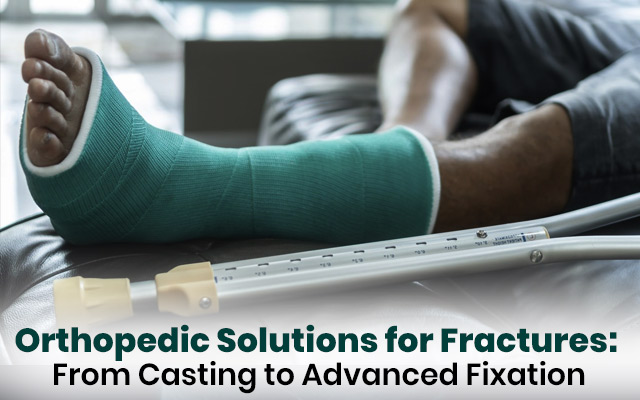
A sudden fall, a sports injury, or even a minor accident can change daily life in seconds. One moment you are moving and the next you’re dealing with swelling, pain, and the possibility of a broken bone.
Bone fractures are common, but the way they are treated has come a long way. Orthopedic specialists today have many solutions to ensure safe healing.
In this blog, we will talk about types of bone fractures. We will also cover the role of surgery and why physiotherapy is important after treatment. Finally, we will share recovery tips that can help you get back on your feet faster.
Understanding Bone Fractures
A bone fracture means a broken bone, but the type of break can vary. Some common types of bone fractures include:
Simple fractures – the bone breaks but doesn’t pierce the skin.
Compound fractures – the bone breaks and pushes through the skin, requiring urgent care.
Hairline fractures – small cracks that often happen from overuse or stress.
Comminuted fractures – the bone shatters into many pieces.
Each type needs different orthopedic fracture care. This is why proper diagnosis through X-rays or scans is important.
How Long Does a Fracture Take to Heal?
Fracture healing time depends on many factors. These include the patient’s age, health, the type of fracture, and whether surgery is required.
On average, most bones take 6–8 weeks to heal, but complex fractures may need several months. Healing is faster with proper immobilisation, good nutrition, and regular follow-up care.
Casting vs. Splinting
For many years, fractures have been treated with casting or splinting.
Casting fully covers the injured area and keeps the bone fixed in one position. It’s used for stable fractures that don’t need surgery.
Splinting holds the bone in place but allows some flexibility. Doctors often use splints in the early stage of an injury when swelling is still present.
Both methods are safe and effective, but they may not be enough for complex fractures. That’s where advanced treatments come in.
Surgical Fixation for Fractures
When a fracture is unstable or severe, doctors recommend surgical fixation. This means using medical devices to hold the bone together while it heals.
Plates and screws in bones are common methods to stabilise the fracture. They act like internal support until the bone regains its strength.
Rods or pins are also used, but it depends on the location and severity of the fracture.
Today, surgeons perform these procedures using minimally invasive orthopedic surgery. It reduces pain, scarring, and recovery time. Patients can often return to normal activities sooner compared to traditional open surgeries.
Physiotherapy After a Fracture
Recovery doesn’t end when the cast is removed or the surgery is complete. Physiotherapy after a fracture plays a crucial role in bringing back strength and mobility.
Exercises help to improve blood flow, prevent stiffness, and rebuild muscle support around the bone. Skipping physiotherapy can delay recovery and increase the risk of future injuries.
Fracture Recovery Tips
Here are some simple steps that can support recovery after bone fracture treatment:
1. Follow your doctor’s advice – don’t rush the healing process.
2. Eat calcium- and protein-rich foods – they strengthen bones.
3. Keep the injured limb elevated – it reduces swelling.
4. Attend physiotherapy sessions – they are key for long-term recovery.
5. Stay positive and patient – bones heal, but they need time.
Orthopedic Treatment in Dumdum: Why Choose Expert Care?
Looking for reliable orthopedic treatment in Dumdum? Finding the right medical centre is crucial.
Our skilled orthopedic specialists will identify the best treatment. With modern technology and less invasive procedures, recovery has become easier. With proper physiotherapy support, patients can expect faster healing and better results.
Right treatment at the right time is important
Fractures sound frightening. But with today’s advanced orthopedic care, recovery is safer and smoother than ever.
Treatment options range from simple casts to advanced fixation techniques. Each plan is customised to the patient’s specific needs.
With proper medical guidance and regular physiotherapy, healing improves. A positive mindset also plays a key role.
With the right support, you can return to your normal routine
Choose trusted orthopedic treatment in Dumdum at Phoenix Medical Centre and ensure the best path to healing.